
No products in the cart.
News
Hawaiian Mythology and Its Influence on Modern Hawaii
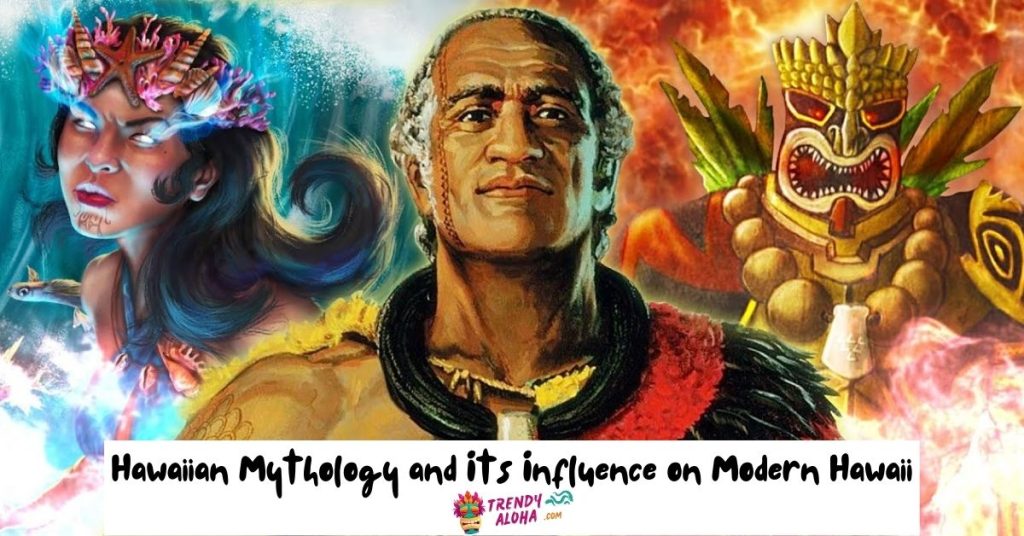
Hawaiian mythology, deeply rooted in the wider context of Polynesian narrative traditions, plays an integral role in shaping the cultural identity of Hawaii. These myths and legends, replete with gods, demigods, and supernatural beings, are more than just stories; they are a fundamental part of the Hawaiian worldview, providing explanations for natural phenomena, guiding moral behavior, and influencing social and religious practices. The influence of these ancient tales extends beyond historical and cultural contexts, permeating modern Hawaiian life. Today, Hawaiian mythology continues to inform traditional customs, artistic expression, environmental stewardship, and community values. It is a living testament to the resilience and dynamism of Hawaiian culture, a bridge linking the past with the present, and a lens through which we can better understand and appreciate the richness of Hawaii’s cultural tapestry.
Origins and Overview of Hawaiian Mythology
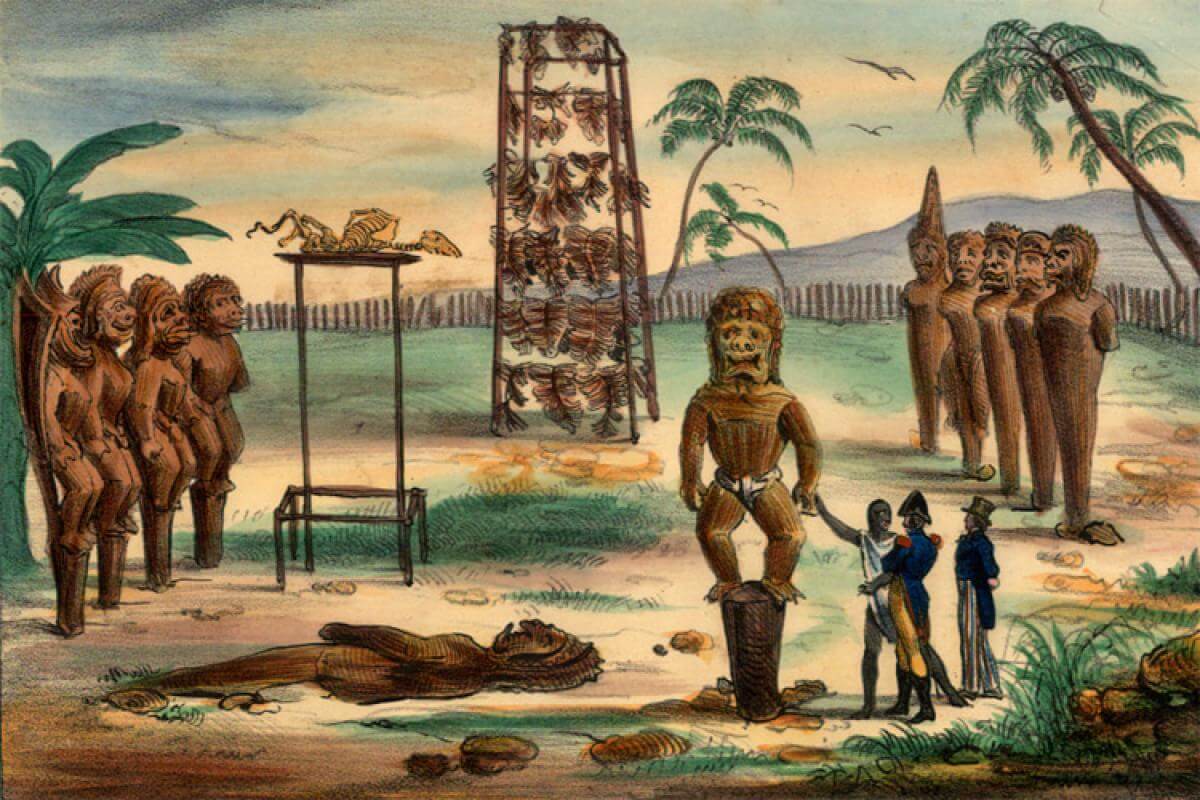
Hawaiian mythology, while unique in its nuances, shares its foundational roots with the broader Polynesian narrative traditions, tracing back to the early voyagers who navigated vast expanses of the Pacific to settle the Hawaiian Islands. This rich tapestry of mythology introduces a complex pantheon of gods and goddesses, each embodying different elements of the natural and spiritual world. Central to this pantheon are the four main gods: Kāne, the god of creation and sunlight; Kū, the god of war; Lono, the god of fertility and peace; and Kanaloa, the god of the ocean. Each of these deities played distinct roles in the shaping of the world and the lives of humans according to the myths. Alongside these major gods, Hawaiian mythology also includes an array of demi-gods and legendary heroes, the most famous of whom is Māui, a trickster known for his strength, cleverness, and pivotal role in several creation myths. Māui’s exploits, which include slowing the sun’s journey across the sky and pulling up the Hawaiian Islands from the ocean floor, are fundamental to Hawaiian mythological narratives. These gods and demi-gods, with their human-like flaws and divine abilities, not only explain the mysteries of the world but also offer insights into societal norms, human behavior, and the relationship between humans and the natural world.
Key Myths and Legends of Hawaii
At the heart of Hawaiian mythology are the captivating tales that shape the understanding of the universe, nature, and life itself. One of the most significant is the Kumulipo, a cosmogonic genealogy that traces the creation of the universe. This ancient chant narrates the birth of the world, starting from the deepest darkness (Po), out of which light (Ao) and all forms of life gradually emerge. It draws a familial connection between all living things, expressing the Hawaiian understanding of the interconnectedness and mutual respect.
The Tales of Maui, The Trickster Demi-God
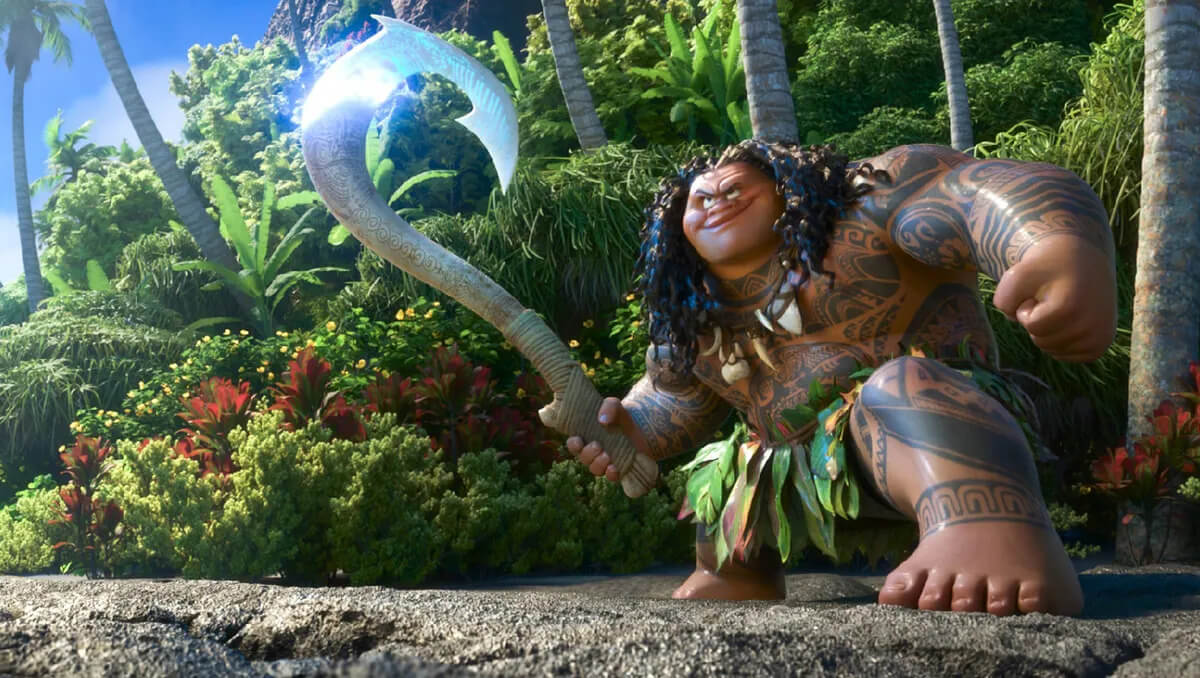
No discussion of Hawaiian mythology would be complete without the tales of Māui, the trickster demi-god. His exploits are not only entertaining but also deeply meaningful, illustrating values such as persistence, cleverness, and the ability to bring about beneficial changes. Māui is best known for snaring the sun to slow its path across the sky, ensuring longer daylight for the people’s work, and for his audacious feat of pulling the Hawaiian Islands from the ocean floor with his magical fishhook.
Pele, The Goddess of Fire and Volcanoes
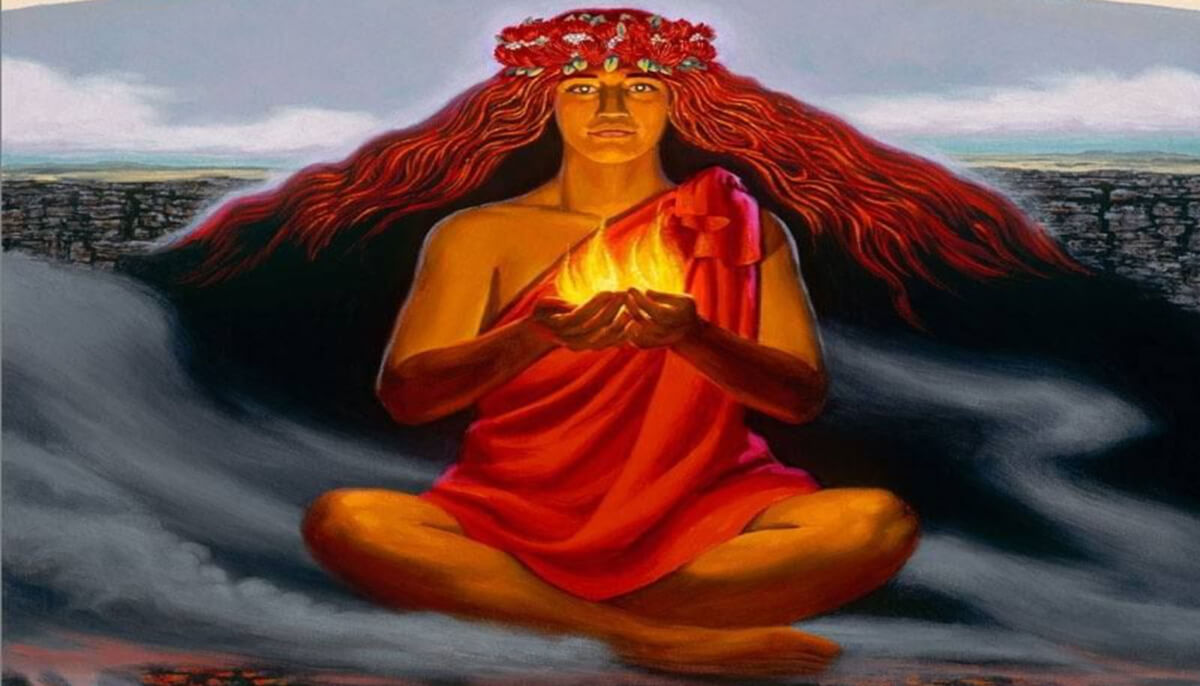
Equally compelling are the stories of Pele, the goddess of fire, lightning, wind, and volcanoes. Known for her fiery temperament and creative power, Pele’s mythology is intrinsically tied to the dynamic volcanic landscapes of Hawaii. Her tales often involve her numerous siblings, including Hi’iaka, the goddess of hula, and Kamohoali’i, the shark god. The stories of their interactions, conflicts, and reconciliations provide explanations for natural phenomena and offer insights into the dynamics of passion, loyalty, and consequence.
The Legend of Laka, The Goddess of Hula
The legend of Laka, the goddess of hula, is integral to the art of Hawaiian dance. It is said that Laka invented the hula and taught it to the people. She is revered as a deity of love and fertility, and her influence extends to the forests, which are considered sacred to her. Dancers often pay homage to Laka by adorning themselves with leis made from plants and trees associated with the goddess. Laka’s legend underscores the importance of hula as not merely a form of entertainment but a sacred ritual connecting the people with their gods and their environment.
These myths and legends are not merely stories of a distant past; they are living narratives that continue to shape the cultural, spiritual, and social landscapes of modern Hawaii. Through them, we gain a profound understanding of the world according to Hawaiian thought, where gods and humans interact within a shared reality, and the natural and spiritual realms are intricately intertwined.
Hawaiian Mythology in Everyday Life
Mythology and the Hawaiian Concept of ‘Aina (Land)
The enduring influence of Hawaiian mythology extends beyond the realm of stories and permeates the everyday lives of the people of Hawaii. One way this influence is apparent is in the understanding of natural phenomena. For instance, volcanic activity is often attributed to the fiery temperament of Pele, the goddess of fire and volcanoes. Rainbows, which are frequent occurrences in the Hawaiian Islands, are associated with the goddess Anuenue, who is believed to create these beautiful arches in the sky as a reminder of her presence.
The impact of mythology on traditional practices and rituals is also evident in various aspects of Hawaiian life. In navigation, ancient Hawaiians relied on star knowledge passed down through generations, with some stories attributing the placement of stars to the actions of gods and demi-gods. The myths provided a framework for interpreting celestial patterns and guiding ocean voyagers on their journeys.
Agricultural practices, such as farming and fishing, are also influenced by mythology. For example, traditional Hawaiian fishponds, known as loko i’a, were often constructed with the guidance of stories that attributed their invention to gods or ancestral heroes. These fishponds exemplified the sustainable use of resources, a value deeply ingrained in Hawaiian mythology. Similarly, farming practices revolved around the understanding of the land as a living entity, deserving of respect and care. This understanding was often reinforced by myths, such as those surrounding the god Lono, who was responsible for bringing rain and fertility to the land.
Hula, the sacred dance of Hawaii, has a strong connection to mythology as well. As previously mentioned, the goddess Laka is credited with the creation of hula, and the dance often involves the retelling of myths and legends. Hula dancers pay homage to the gods and goddesses through their movements, chants, and the adornments they wear, such as leis made from plants associated with specific deities.
Hawaiian mythology continues to serve as a source of wisdom, guidance, and connection to the land, the sea, and the spiritual realm. The myths and legends not only shape the understanding of natural phenomena but also inform traditional practices and rituals, ensuring that the rich cultural heritage of Hawaii remains a living, breathing part of modern life.
Hawaiian Mythology in the Arts
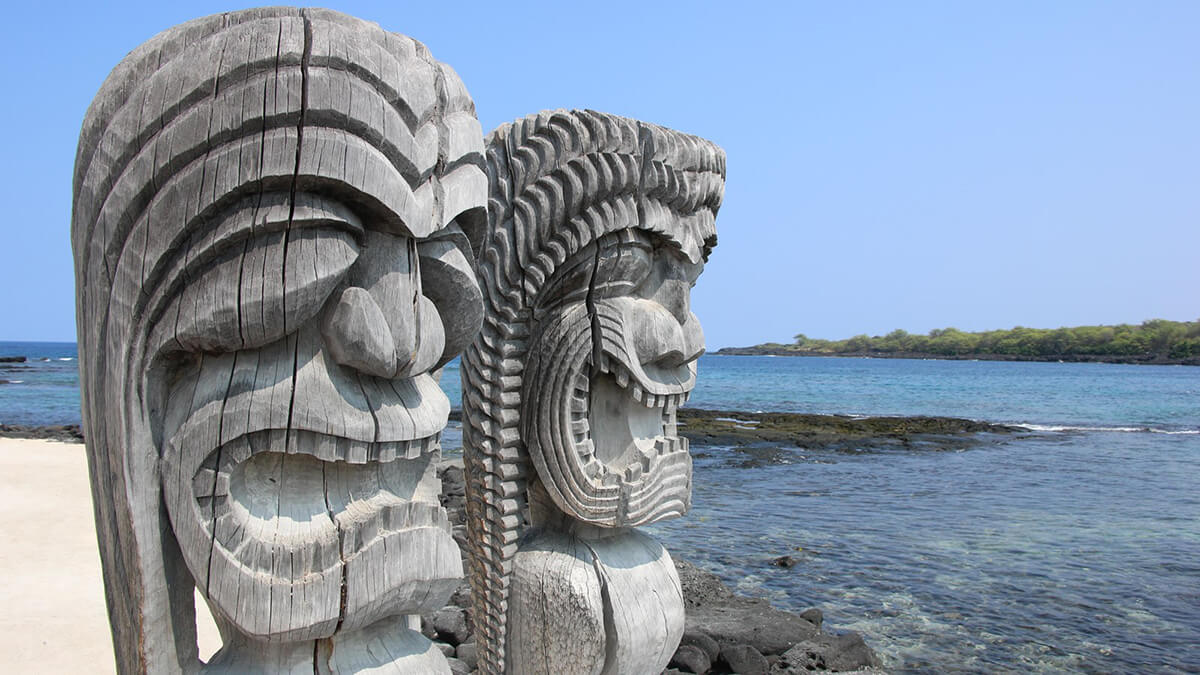
Hawaiian mythology’s influence pervades the realm of arts, coloring its various forms with vivid narratives and profound symbolism. Hula, chants, and music are some of the most significant art forms where mythology takes center stage. Hula, an ancient dance form, often tells the stories of gods, goddesses, and heroes from mythology, with each movement holding specific meanings. Chants, or mele, are another medium through which these stories are perpetuated. They are integral to many traditional ceremonies and rituals and serve to connect the present with the past. Music, too, is rich with mythological references, and traditional instruments like the ukulele and slack key guitar often accompany mele and hula, creating a harmonious blend of storytelling mediums.
Visual arts, including painting, sculpture, and tattooing, are deeply rooted in mythology as well. Artists often depict scenes from myths and legends or use symbolic motifs associated with specific gods and goddesses. Traditional Hawaiian tattooing, or kakau, is a powerful form of self-expression and a way of connecting with one’s ancestral roots. Designs often incorporate elements from mythology, serving as symbols of protection, commemoration, or personal identity.
In the modern era, Hawaiian mythology has found its way into film, literature, and popular culture. Films like Disney’s ‘Moana’ have introduced a global audience to characters like Maui, albeit with a high degree of creative license. Literature, too, often draws from these rich narratives, with authors using the motifs, themes, and characters from mythology to explore a range of topics. In popular culture, elements of Hawaiian mythology appear in everything from fashion and interior design to video games and comic books.
However, as the influence of Hawaiian mythology spreads, it is crucial to approach these narratives with respect and a genuine desire to understand their cultural context and significance. As we appreciate the beauty and depth of these stories, we must also acknowledge their origins and the people to whom they belong. Only then can we truly appreciate the profound influence of Hawaiian mythology on the arts.
Mythology and the Revival of Hawaiian Culture
In the late 20th century, Hawaii experienced a cultural resurgence known as the Hawaiian Renaissance. This period marked a renewed interest in traditional Hawaiian language, arts, and practices that had been suppressed or marginalized during periods of Western colonization and Americanization. Central to this revitalization was the role of mythology, serving as a wellspring of inspiration and a guiding force.
The myths and legends of Hawaii provided a narrative framework for understanding and reestablishing traditional practices. They informed the revitalization of hula, which had been significantly restricted under missionary influence, and was once again celebrated as a sacred and vital art form. The stories of navigational gods and demi-gods inspired the relearning and teaching of ancient Polynesian wayfinding techniques, leading to monumental voyages that proved the seafaring prowess of the ancestors.
Mythology also played a significant role in environmental stewardship, with ancient stories emphasizing the sacredness of ‘aina (land) and kai (sea), encouraging sustainable practices and a deep respect for natural resources. This is evident in the restoration of traditional agricultural systems, like the taro terraces and fishponds, which embody the harmonious relationship between humans and nature emphasized in many Hawaiian myths.
In modern Hawaiian society, mythology continues to be taught and perpetuated in various ways. It is embedded in the education system, with schools teaching Hawaiian history, language, and culture. Many families pass down stories through generations, keeping the oral tradition alive. Cultural festivals, hula hālau (schools), and community gatherings often feature the retelling of myths and legends. Even modern mediums, like digital storytelling and animation, are being used to share these narratives with younger generations and broader audiences.
The continued relevance of mythology in Hawaii today is a testament to the resilience and dynamism of the culture. It’s not just about preserving the past but also about applying ancient wisdom to contemporary contexts. As we look to the future, Hawaiian mythology will undoubtedly continue to inspire, guide, and provide a sense of identity and belonging for the people of Hawaii.
Conclusion
In conclusion, Hawaiian mythology is not merely a relic of the past, but an enduring force that continues to shape modern Hawaii. Its influence pervades every aspect of life, from the understanding and interpretation of natural phenomena, traditional practices, and rituals, to its significant imprint on the arts and wider popular culture. These mythological narratives offer a deeply rooted sense of identity and continuity, connecting the past with the present and bridging the spiritual with the natural world. Personally, delving into Hawaiian mythology has been a journey of revelation and appreciation. It underscores the importance of these stories in understanding the complexity and richness of Hawaiian culture. These ancient tales illuminate the values, philosophies, and wisdom of a people, providing us with a meaningful lens through which to appreciate the depth and vibrancy of Hawaii’s cultural landscape. As we continue to explore and learn, it’s clear that these myths will remain a fundamental component of Hawaii’s cultural tapestry, perpetuating its heritage and guiding its future.
Sale!
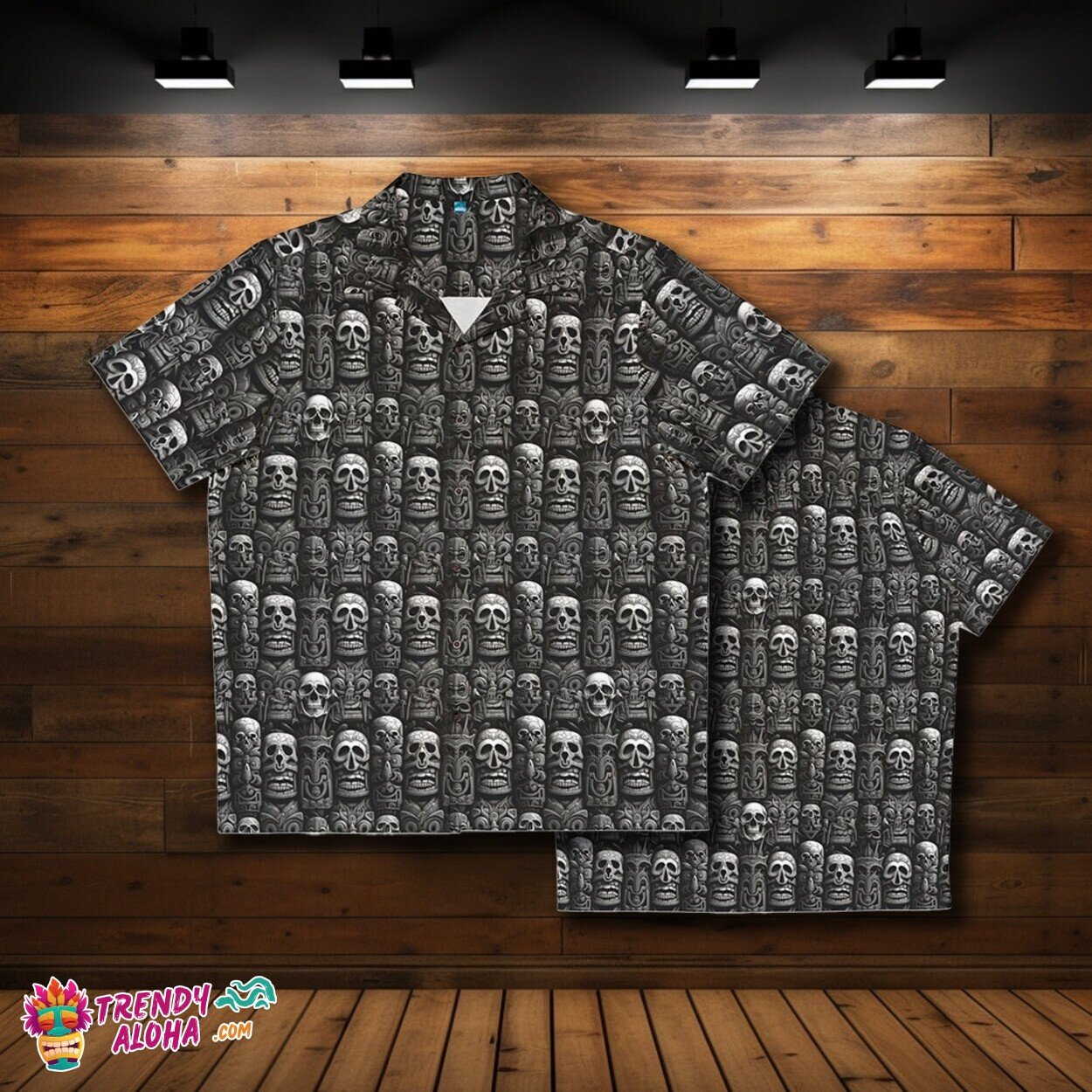
Horror Hawaiian Shirt
Monochromatic Tiki Men’s Hawaiian Horror Monsters Aloha Shirt
Original price was: $67.00.$44.95Current price is: $44.95.
Sale!
Original price was: $67.00.$44.95Current price is: $44.95.
Sale!
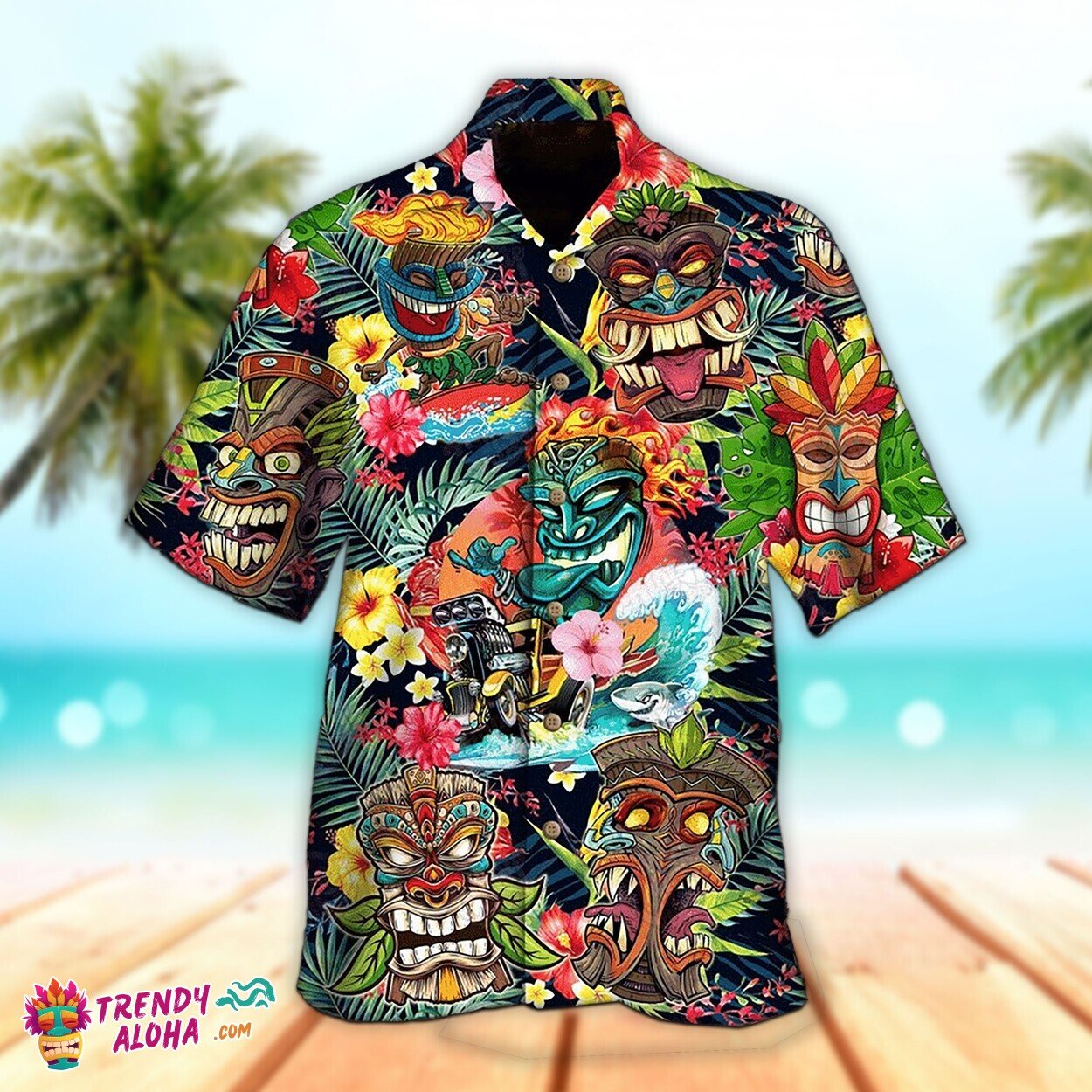
Tiki Hawaiian Shirt
Aloha Tiki Tropical Unisex Hawaiian Shirt Short Sleeve Men Women Design
Original price was: $64.00.$42.95Current price is: $42.95.
Sale!
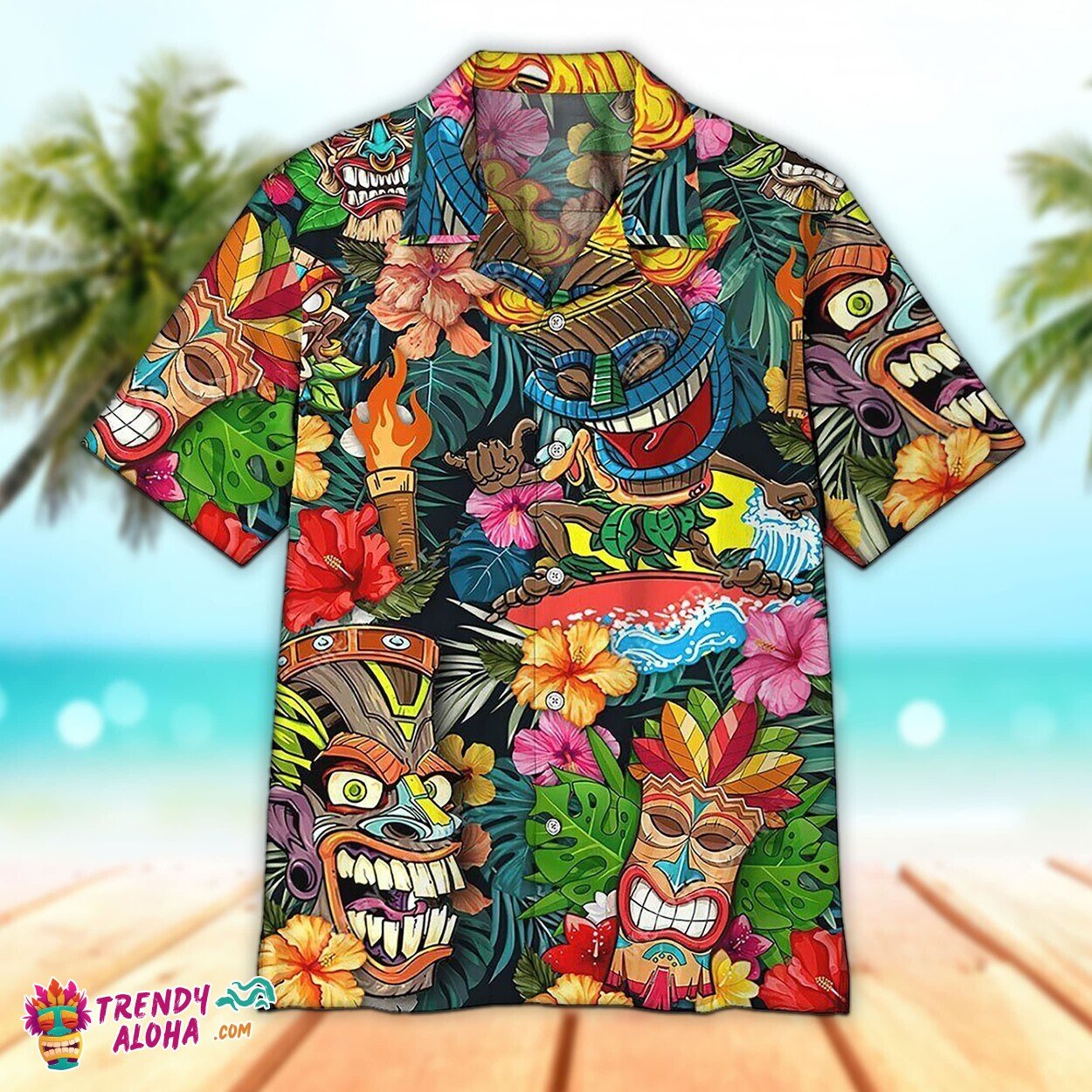
Hawaiian Shirt And Shorts
Tiki Magic Showcase Unisex Hawaiian Aloha Shirt Short Sleeve 3D Print
Original price was: $64.00.$42.95Current price is: $42.95.
Sale!
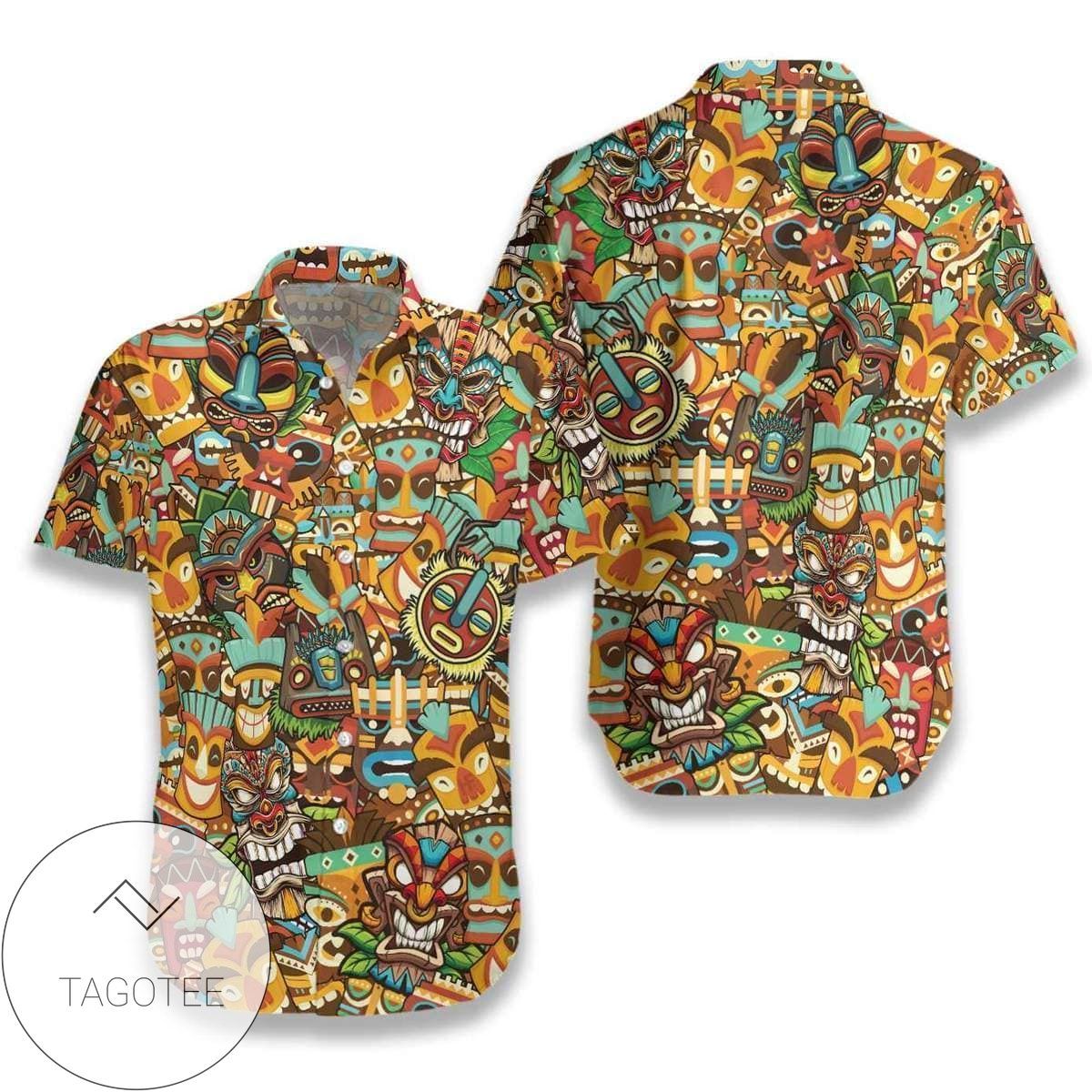
Tiki Hawaiian Shirt
Get Here Amazing Tiki Pattern Unisex Hawaiian Shirts
Original price was: $62.90.$44.95Current price is: $44.95.
Sale!
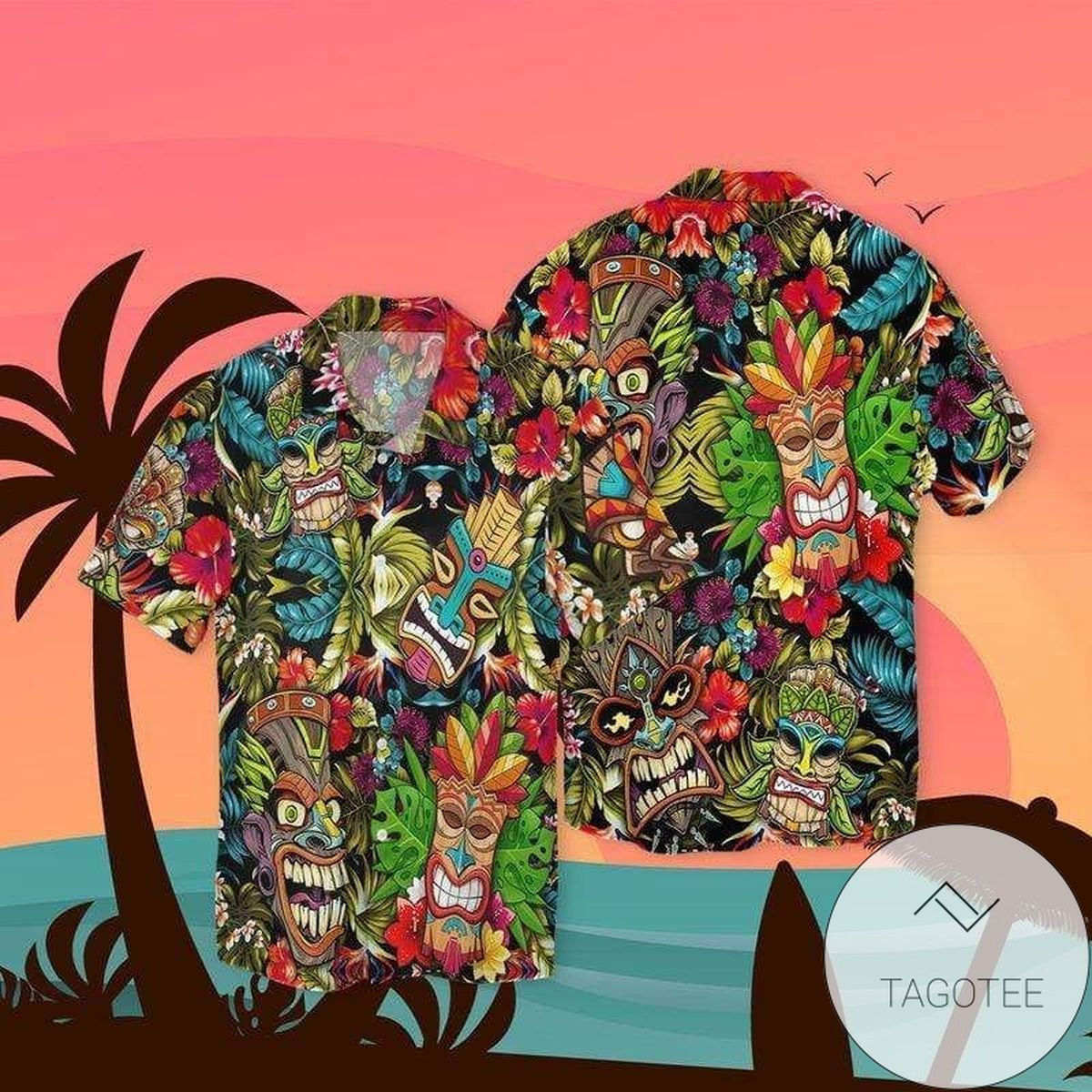
Tiki Hawaiian Shirt
Artistic Color Burst In A Tiki Tiki Themed Hawaiian Shirt Design
Original price was: $61.90.$43.95Current price is: $43.95.
Sale!
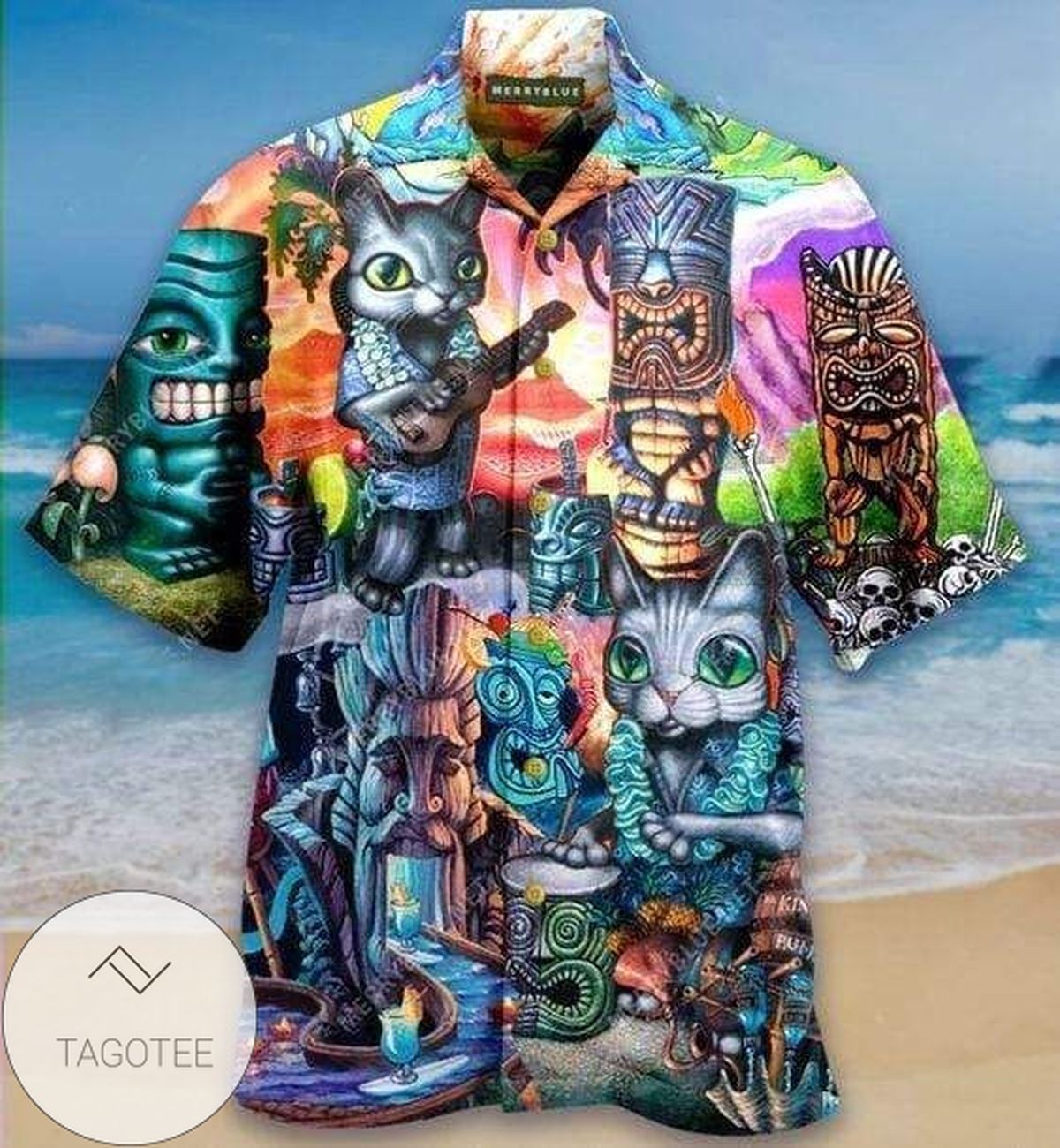
Tiki Hawaiian Shirt
It’s Always Tiki Time in Paradise on This Fun Hawaiian Shirt
Original price was: $61.90.$43.95Current price is: $43.95.
Sale!
Hawaiian T-Shirts
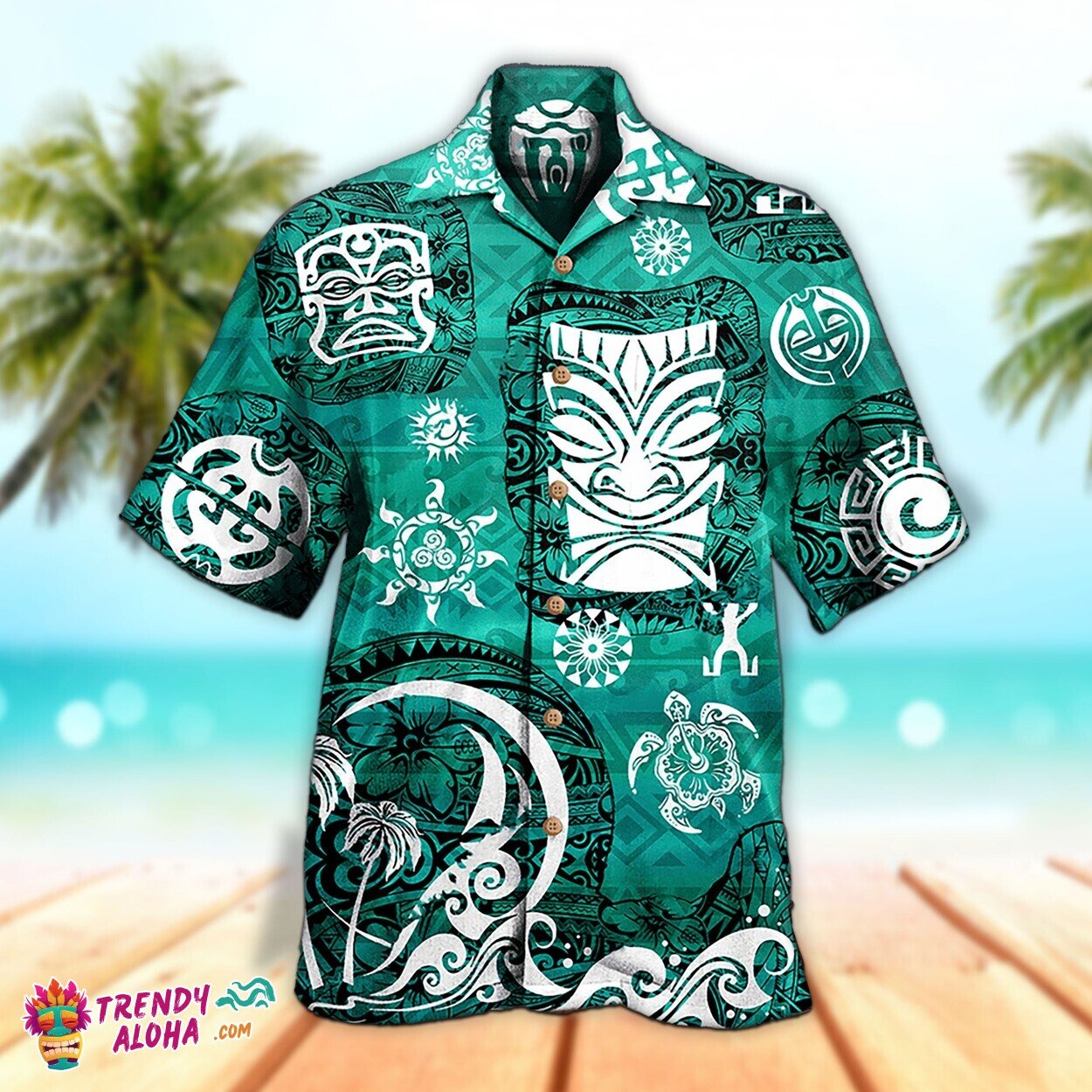
Tiki Mandala Sea Theme Unisex Aloha Hawaiian Short Sleeve Shirt
Original price was: $61.00.$40.95Current price is: $40.95.