
No products in the cart.
News
Guide To Hawaii’s Culture: From History to Clothing Style
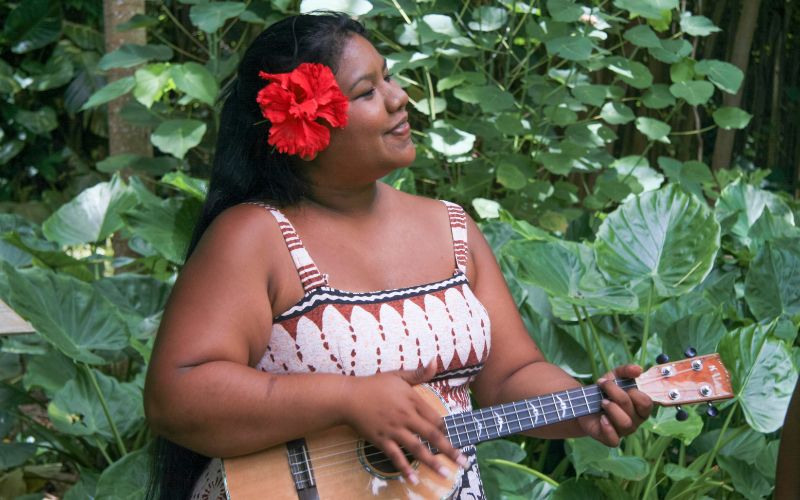
Hawaiian culture is more than what you see on postcards. Behind the beaches and leis is a living tradition shaped by ancient Polynesian roots, colonial disruption, and a modern revival led by Native Hawaiians. From deep spiritual values like aloha and kuleana, to meaningful rituals, storytelling, and land stewardship, Hawaii’s identity is passed on through everyday life, not in museums.
This guide explores Hawaii’s cultural journey, from its history as an independent kingdom to the values that shape island living today. You’ll discover local ceremonies, how lifestyle varies across the islands, and why the Aloha shirt is more than just tropical fashion. Whether you’re going to visit or simply want to understand Hawaiian traditions, you will have an insightful look into an aloha culture – an island of community and joy!
Hawaiian History and Cultural Origins
Hawaiian culture traces back more than 1,500 years, when skilled Polynesian navigators settled the islands using stars and ocean swells as their guide. They brought with them sustainable farming practices, spiritual customs, and a worldview centered on harmony with the land and sea.
This way of life thrived until 1893, when the Hawaiian Kingdom was overthrown with U.S. involvement. In the years that followed, Hawaiian language and traditions were suppressed, causing a deep cultural disconnect.
A revival began in the 1970s, led by Native Hawaiians determined to reclaim their heritage. Today, hula, chanting, canoe voyaging, and ʻŌlelo Hawaiʻi (Hawaiian language) are once again part of daily life, carried forward in homes, schools, and cultural centers across the islands.
Hawaiian Values, Rituals & Island Traditions
Hawaiian Values
Hawaiian values reflect a deep respect for people, place, and purpose. The Aloha Spirit represents a way of life rooted in love, mutual respect, and compassion. Living with aloha means treating others with care and honoring the life around you.
Another important value is Kuleana, which means taking care of your family, your community, and the places you call home. Kuleana also reminds people that with every right comes a duty to protect the land, respect others, and make choices that help future generations.
Closely connected to that is Mālama ʻĀina, or “to care for the land”. This term emphasizes stewardship as a cultural and spiritual practice. Coupled with Moʻolelo, the oral tradition of storytelling, these values ensure that history, knowledge, and identity are preserved through generations.
Aloha spirit, Kuleana, and Mālama ʻĀina – these values continue to shape life in Hawaii today. They show up in classrooms, on farms, in art, and in the way people treat one another. Understanding these beliefs helps visitors and locals alike see Hawaii not just as a destination, but as a place with a living soul.
Rituals and Ceremonies
In Hawaiian culture, rituals and ceremonies are powerful ways to express respect, connection, and identity. One of the most sacred greetings is honi ihu, where two people gently press their foreheads and noses together to share a breath. It’s a way of recognizing another person’s presence on a spiritual level, not just physically.
Another important ceremony is the Makahiki festival, marking the Hawaiian New Year. It was a time to rest from conflict, give thanks for the harvest, and come together as a community. People would play games, offer food, chant, and reflect on the balance between nature and human life.
Other traditional feasts known as pāʻina bring families together to share food, music, stories, and joy. At their heart, these ceremonies connect people to their culture, their past, and the spirit of aloha that continues to guide Hawaiian life.
Modern Hawaiian Lifestyle: From Local Living to Urban Culture
Life in Hawaii is a blend of tradition and modern rhythm. Many locals still gather with extended family, speak Hawaiian at home, and practice everyday customs like lei-giving and communal meals that reflect their roots.
While community traditions remain strong, Hawaii’s cities showcase how heritage and modernity coexist for locals and visitors alike. In urban hubs like Honolulu, residents continue to honor their royal past at sites like ʻIolani Palace and preserve artifacts at the Bishop Museum. Visitors can experience this living history alongside vibrant street art and multicultural districts like Chinatown.
This dynamic mix is also what inspires some of the best Hawaiian theme party ideas, where traditional elements like hula, tiki torches, and island cuisine are reimagined in fun, modern settings. Whether you’re born on the islands or just arriving, Hawaii shows how to keep tradition alive while celebrating the present.
Hawaiian Fashion: Culture in What You Wear
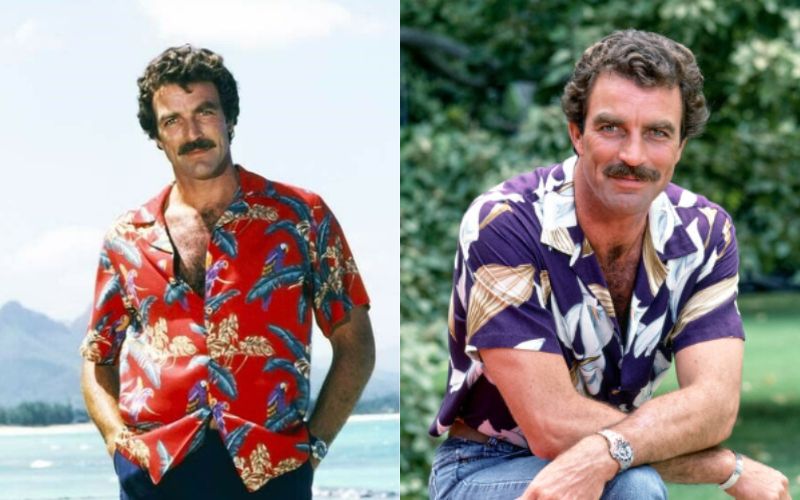
The Aloha shirt, perhaps the most recognizable garment in Hawaiian fashion, is not just worn – it’s lived in. It’s how locals express pride, how visitors show respect, and how stories are told without words. A vivid example of its cultural reach came in the 1980s. When Tom Selleck’s Jungle Bird shirt in Magnum P.I. made this Aloha shirt a global symbol of Hawaii’s laid-back spirit.
This surge in popularity introduced the world to the essence of Aloha: warmth, welcome, and community, and the shirt remains a symbol of that lifestyle today.
On Casual Fridays, also known as Aloha Friday, people celebrate Hawaiian culture by wearing these colorful shirts to the office. Over time, the Hawaiian shirt embodies the values of mutual respect, freedom, and the relaxed way of life that defines the Hawaiian spirit.
How You Wear Aloha Shirts with Respect
Wearing an Aloha shirt in Hawaii isn’t just about embracing a laid-back style — it’s about doing so with care, understanding, and a genuine connection to the place. Whether you’re a local or a visitor, there are a few unspoken guidelines that can help you wear the shirt respectfully and meaningfully.
Things to remember when choosing and wearing an aloha shirt:
- Support local creators. Choose shirts from Hawaiian-owned brands rooted in cultural tradition.
- Look beyond the tourist rack. Skip cartoonish prints. Instead, look for designs inspired by real native plants, historic patterns, or symbolic elements.
- Understand what you’re wearing. Some shirts feature motifs tied to specific islands or stories. Ask the meaning, read labels, and wear a shirt with intention.
- Match the occasion. Wear subtle prints to formal events and save bold/loud designs for casual beach days or parties.
- Choose fit with care. A relaxed but tailored fit reflects intention, not costume.
- Carry the meaning. Each shirt can express gratitude, identity, or connection if you let it when choosing.
Wearing an Aloha shirt well in Hawaii is about subtlety, sincerity, and style. Choose wisely, wear it proudly, and we’d love for you to find something that fits your style and your spirit.
Sale!
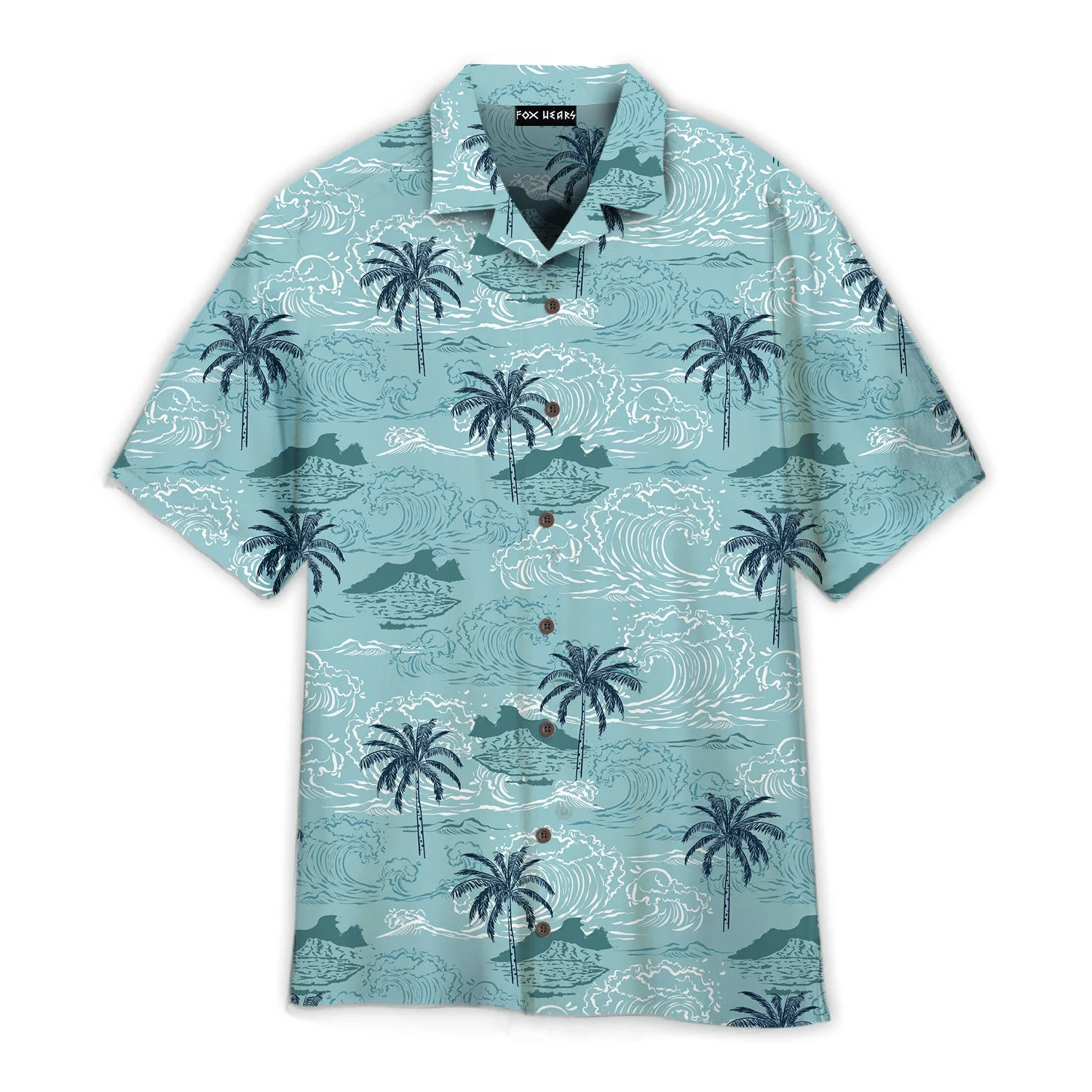
Palm Tree Hawaiian Shirt
Blue Big Wave And Palm Trees Island Pattern Hawaiian Shirt
Original price was: $50.90.$45.95Current price is: $45.95.
Sale!
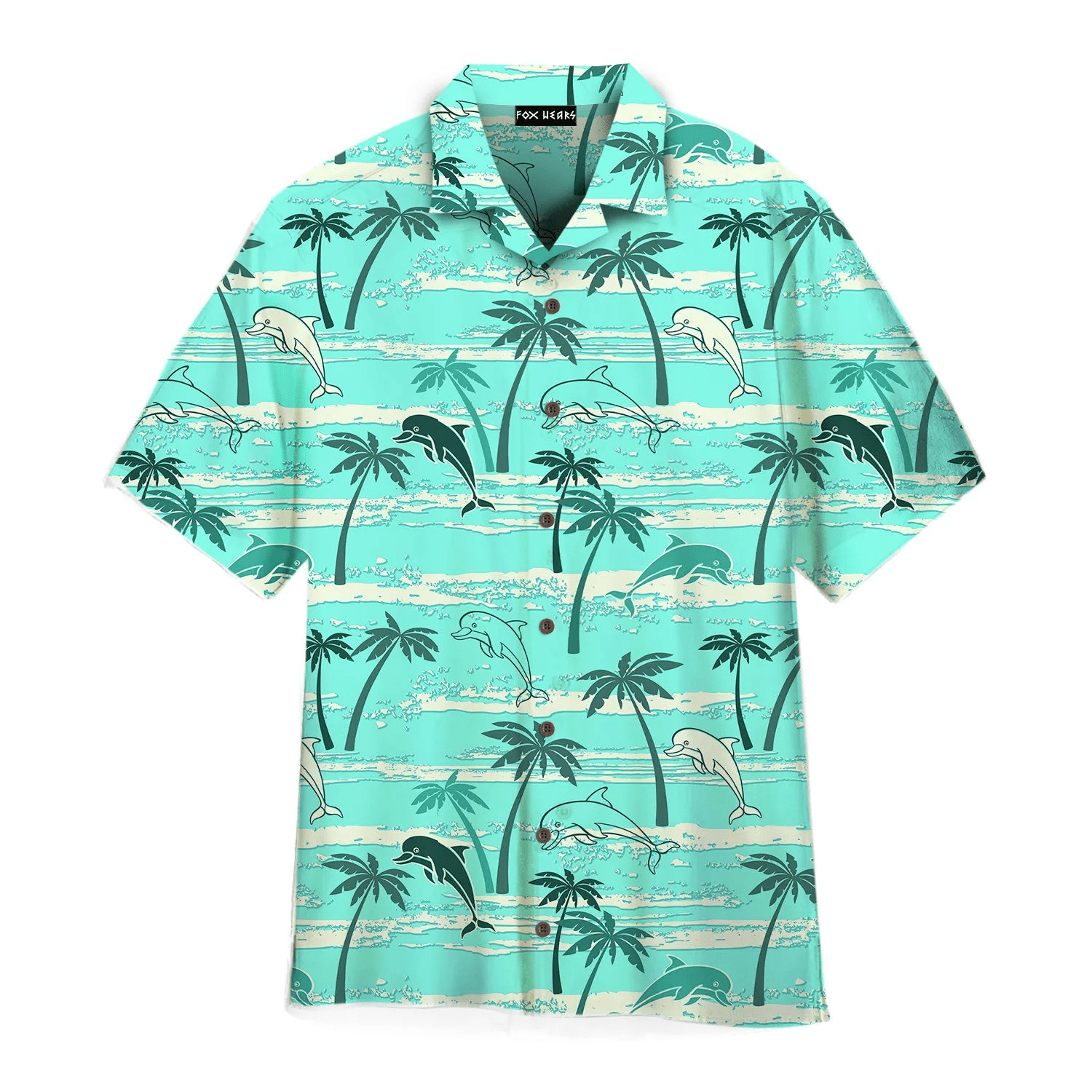
Miami Dolphins Hawaiian Shirt
Dolphins Palm Trees Summer Hawaiian Shirt Aloha Shirt
Original price was: $55.90.$43.95Current price is: $43.95.
Sale!
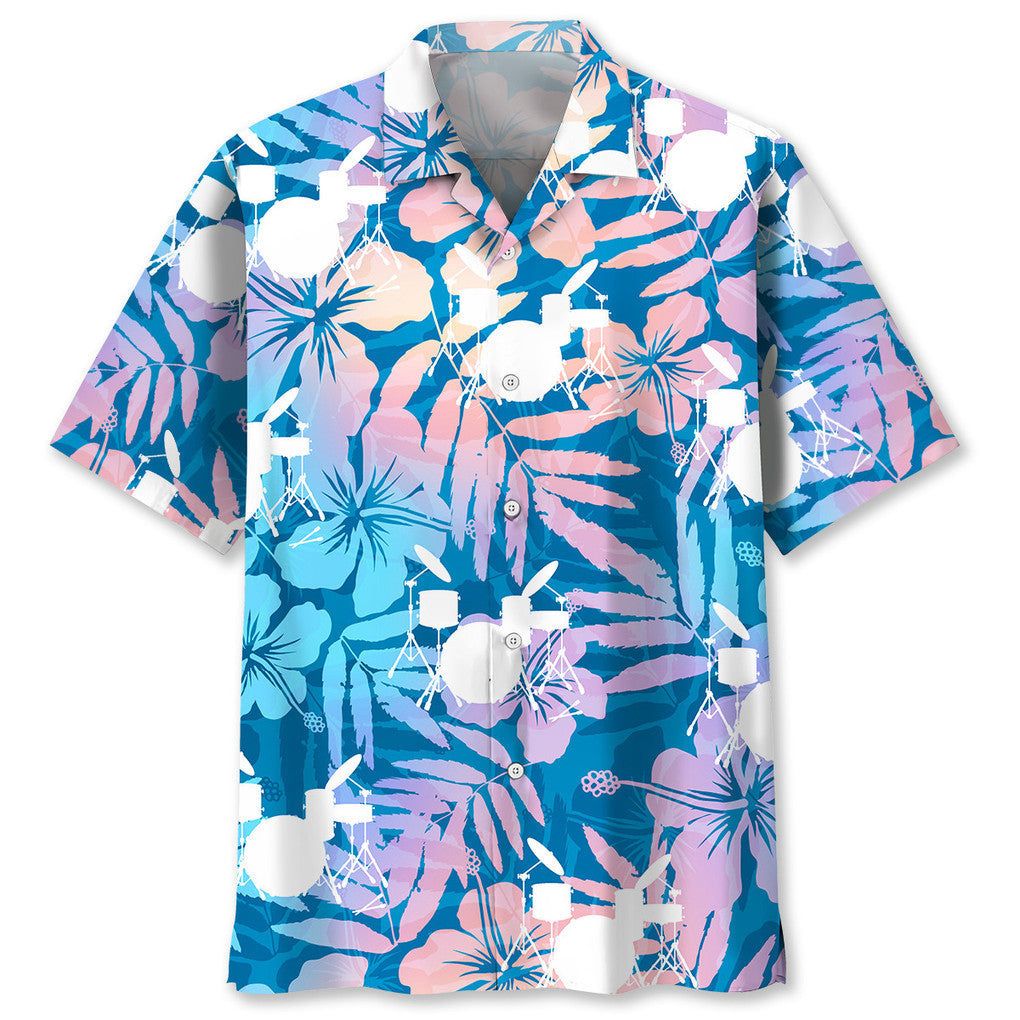
Tropical Shirts
Drum Tropical Hawaiian Nature Shirt
Original price was: $58.85.$44.95Current price is: $44.95.
Sale!
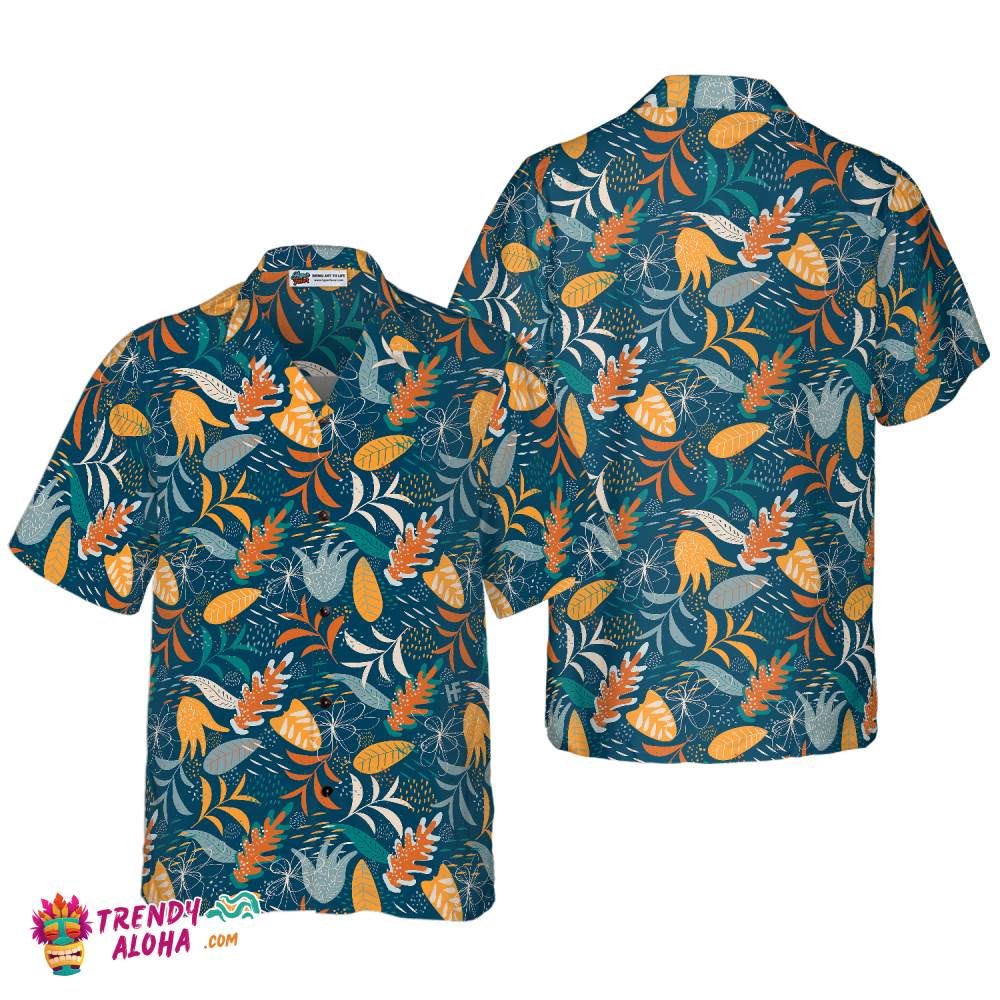
Modern Hawaiian Shirts
Tropical Modern Floral Hawaiian Shirt
Original price was: $50.85.$41.95Current price is: $41.95.
Sale!
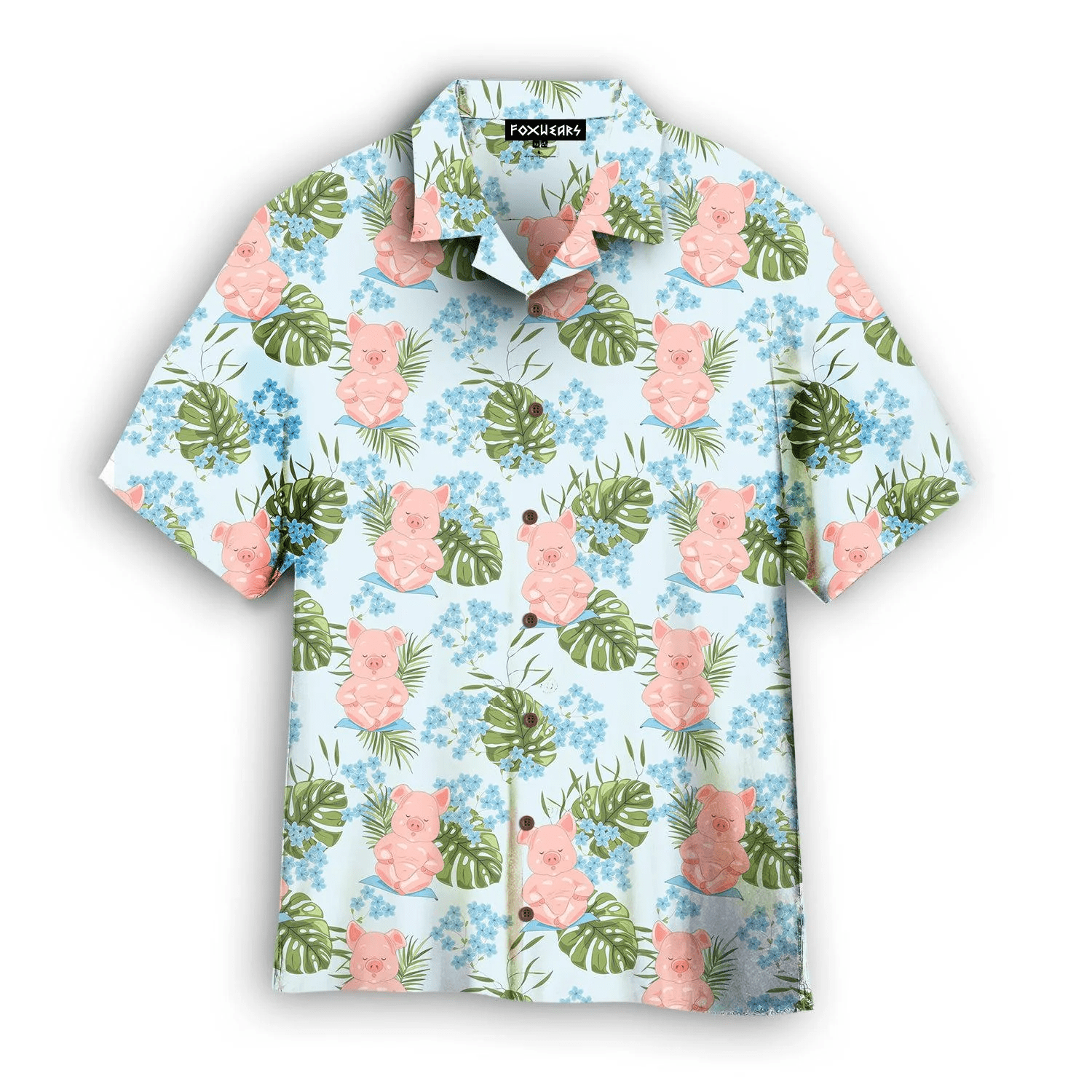
Tropical Shirts
Aesthetic Tropical Pig Hawaiian Shirt For
Original price was: $53.90.$41.95Current price is: $41.95.
Sale!
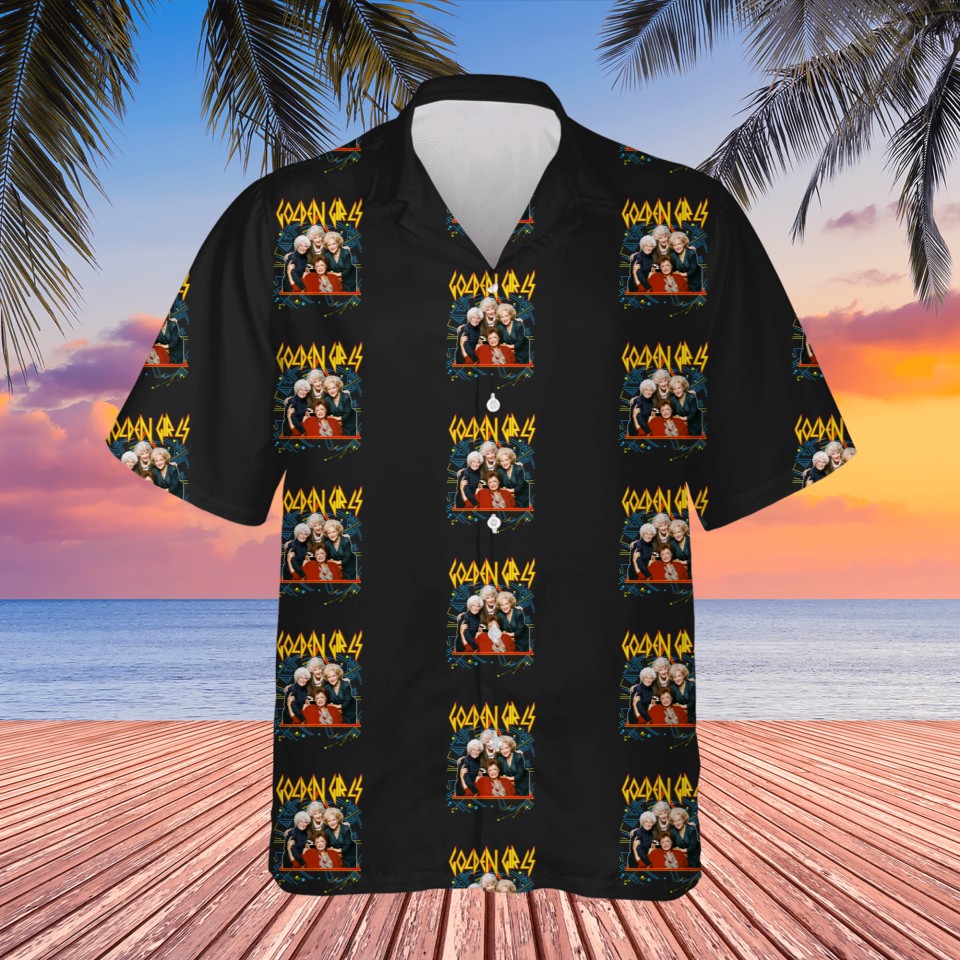
Def Leppard Hawaiian Shirts
Vintage 1988 Def Leppard Tour Classic Band Merch Design Def Leppard Hawaiian Shirt
Original price was: $56.80.$44.82Current price is: $44.82.
Sale!
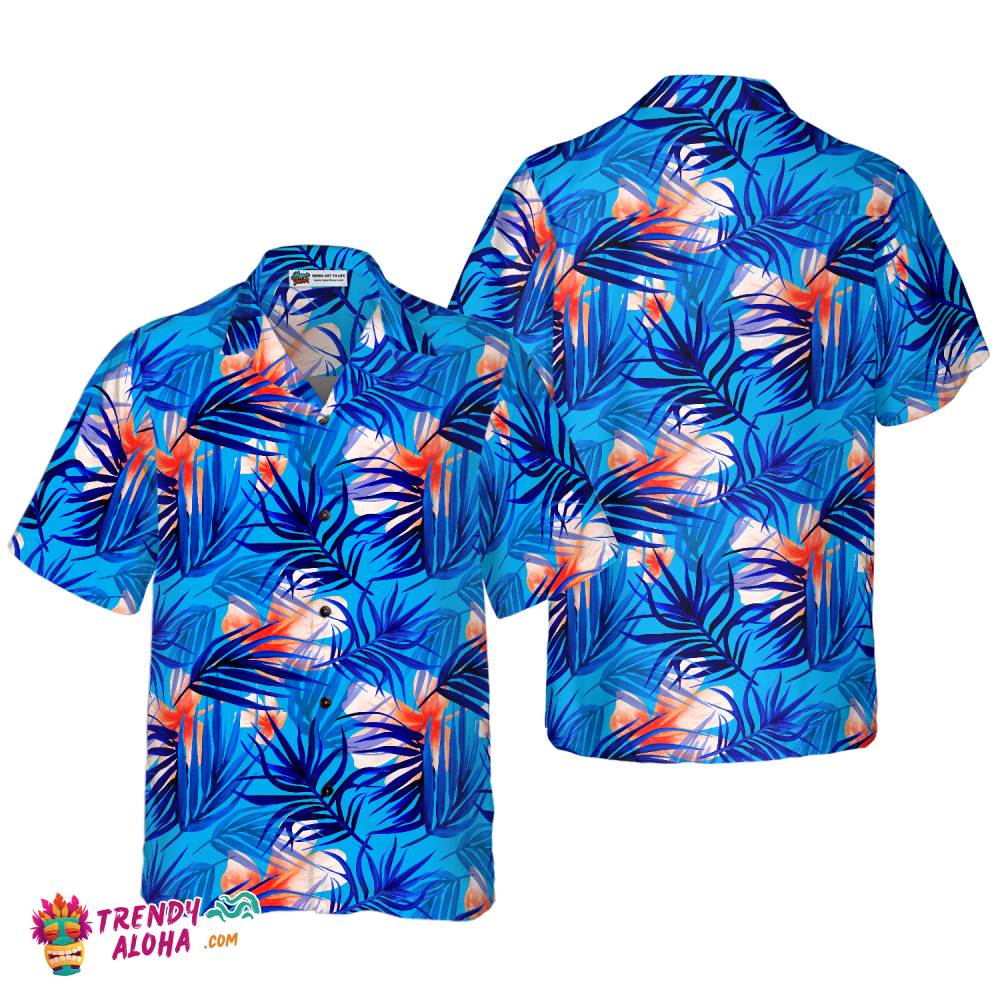
Tropical Shirts
Tropical Seamless Pattern 2 Hawaiian Shirt
Original price was: $50.85.$41.95Current price is: $41.95.