
No products in the cart.
News
What is Aloha Friday? The History of Casual Friday
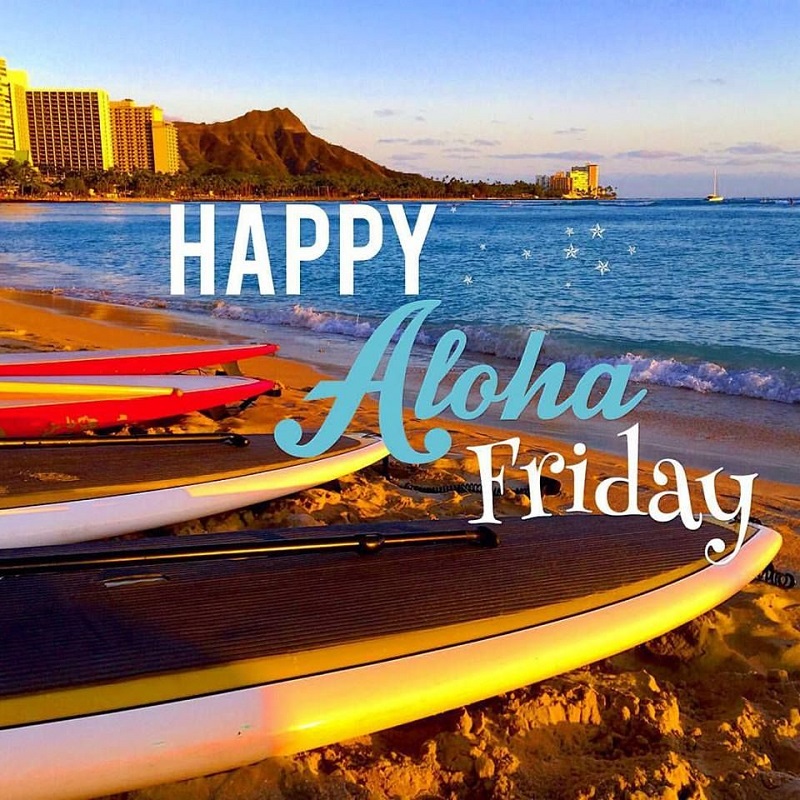
Aloha Friday, a cherished tradition in Hawaii and the precursor to the widespread Casual Friday, is a unique cultural phenomenon that celebrates the islands’ spirit of relaxation and friendliness at the end of the workweek. Central to this tradition is the Hawaiian shirt, which plays a pivotal role in the story of how casual wear entered the workplace. This topic explores the origins of Aloha Friday and its evolution into the global practice of Casual Friday, with a particular focus on the Hawaiian shirt’s significance.
The Birth of Aloha Friday
Aloha Friday originated in the early 1960s in Hawaii as a way to promote local fashion and inject a sense of island leisure into the workplace. The Hawaiian Fashion Guild, recognizing the potential of the Hawaiian shirt (also known as the Aloha shirt) to boost local industry, started to lobby businesses and lawmakers to allow men to wear these shirts during the hotter summer months. In 1966, the campaign bore fruit, and employees were encouraged to wear Hawaiian shirts to work on the last day of the workweek, thus initiating “Aloha Friday.”
The Hawaiian Shirt: Symbol of Aloha Friday
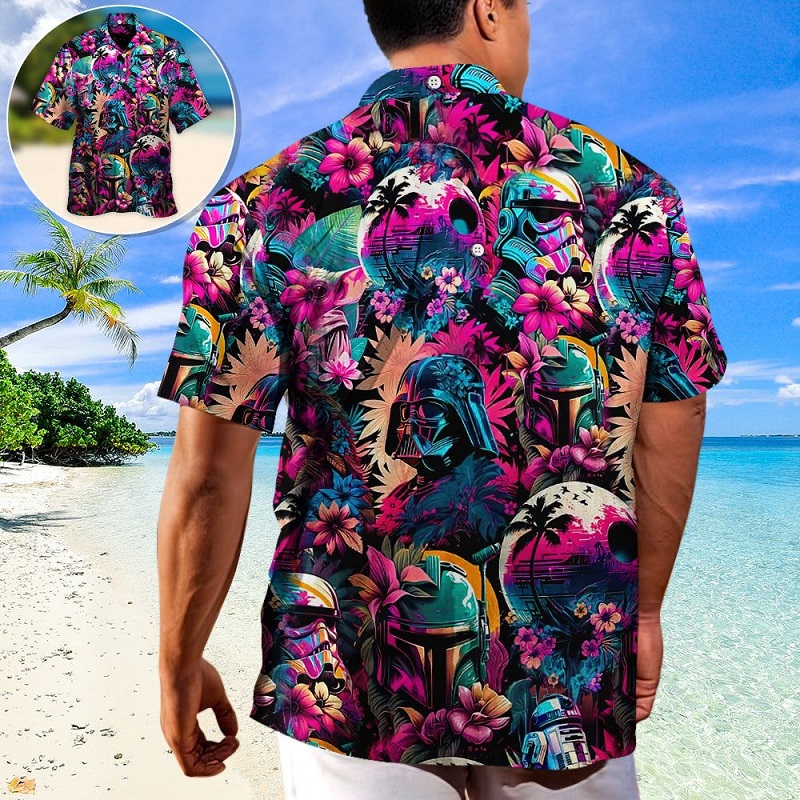
The Hawaiian shirt, with its vibrant colors, bold patterns, and themes inspired by the natural beauty of the islands, became the symbol of Aloha Friday. Far more than just casual attire, these shirts represented a departure from the rigid, formal dress codes that had dominated workplaces. They signified a blend of professional and casual, embodying the Aloha spirit of friendliness and openness.
Aloha Friday Goes Mainstream: The Evolution into Casual Friday
The concept of Aloha Friday gradually spread from Hawaii to the mainland United States during the 1970s and 1980s, evolving into what is now known as Casual Friday. As workplaces across the country began to embrace more relaxed dress codes at the week’s end, the Hawaiian shirt became a staple of this new, casual professional style. The tech industry, particularly companies in Silicon Valley, played a significant role in adopting and promoting Casual Friday, further cementing its place in American workplace culture.
The Impact of Aloha Friday Today
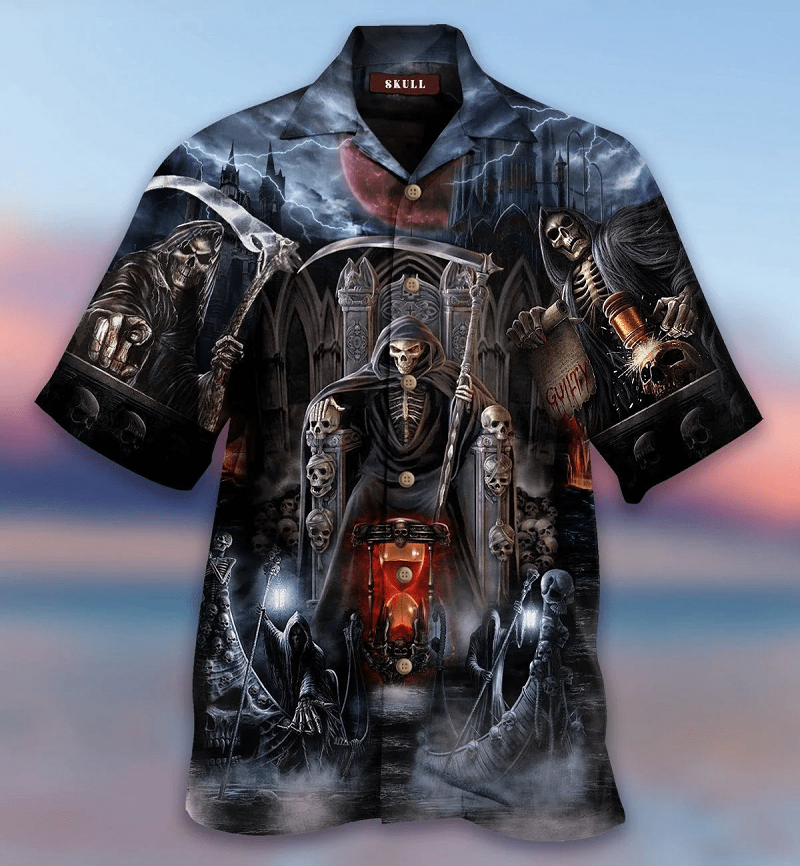
Today, Aloha Friday and its continental counterpart, Casual Friday, are celebrated in various forms around the world. While the practices and the degree of formality may vary from one region to another, the core idea remains the same: to provide a break from the conventional work attire and to foster a relaxed, congenial atmosphere in the workplace. The Hawaiian shirt, as the original emblem of this tradition, continues to be a popular choice for those looking to express their individuality and embrace the spirit of Aloha every Friday.
Conclusion
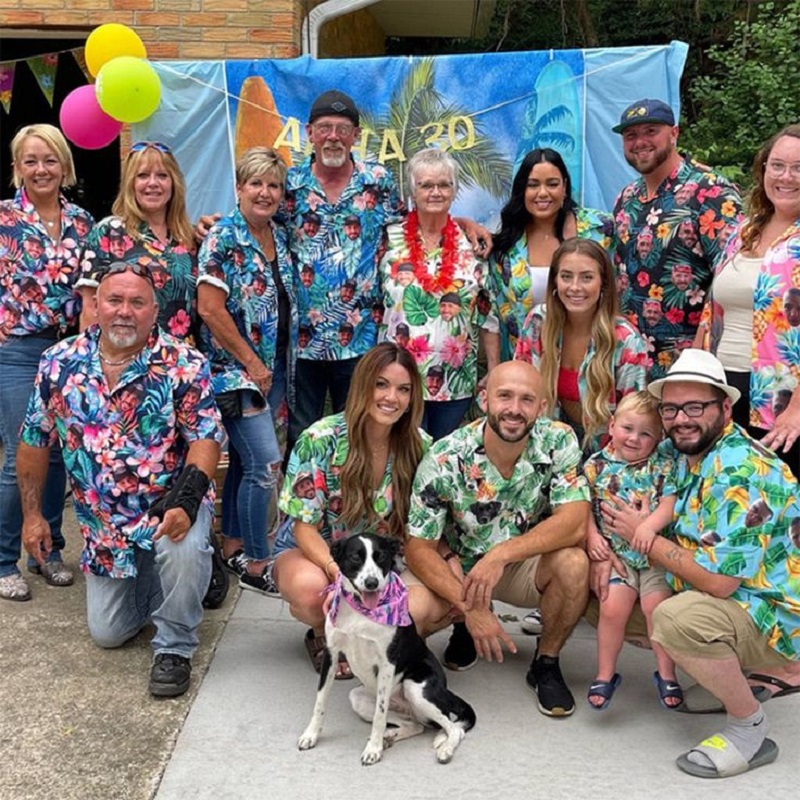
Aloha Friday stands as a testament to the power of cultural traditions to influence and transform workplace norms. It marks the successful integration of Hawaiian culture into the global lexicon of fashion and work etiquette, with the Hawaiian shirt at the heart of this cultural exchange. As we celebrate Aloha Friday, we embrace not only a more relaxed dress code but also the values of openness, relaxation, and community that are intrinsic to the Hawaiian way of life.
Sale!
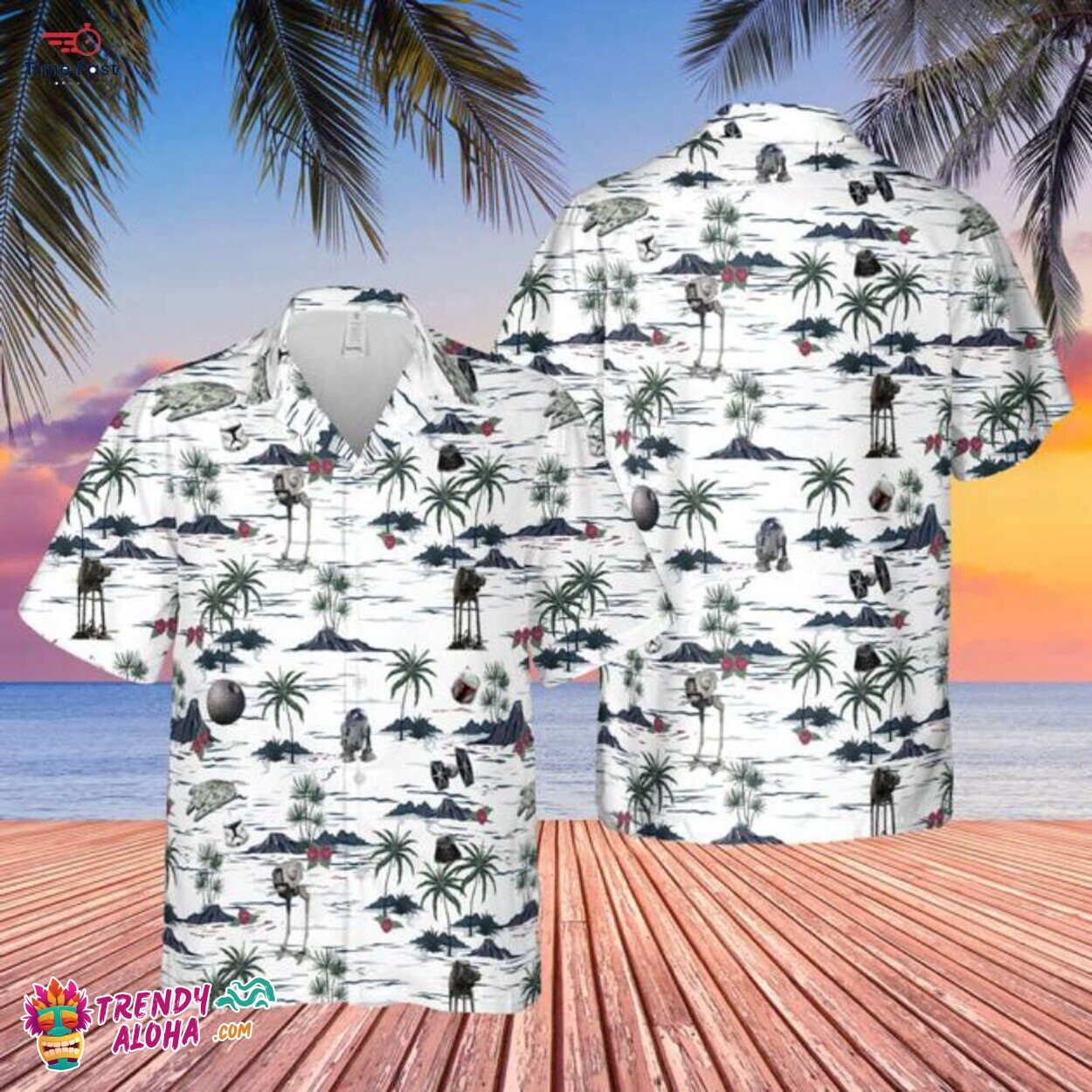
Holiday Hawaiian Outfits
Hot Summer Holiday Star War Theme Casual Hawaiian Celebration Shirt
Original price was: $64.00.$42.95Current price is: $42.95.
Sale!
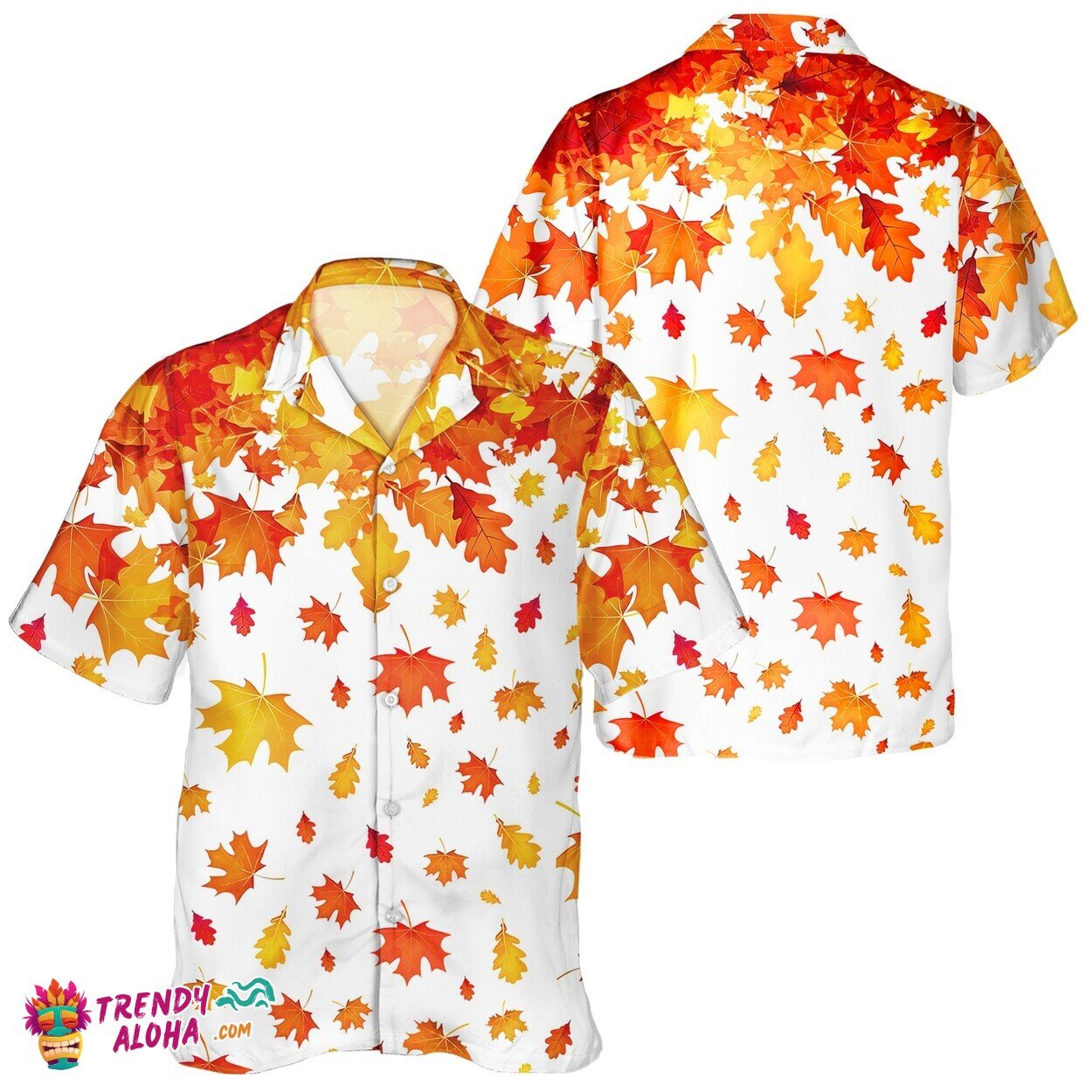
Hawaiian T-Shirts
Autumn Leaves Turkey Admirer Unisex Hawaiian Fall Shirt Casual Wear
Original price was: $66.00.$43.95Current price is: $43.95.
Sale!
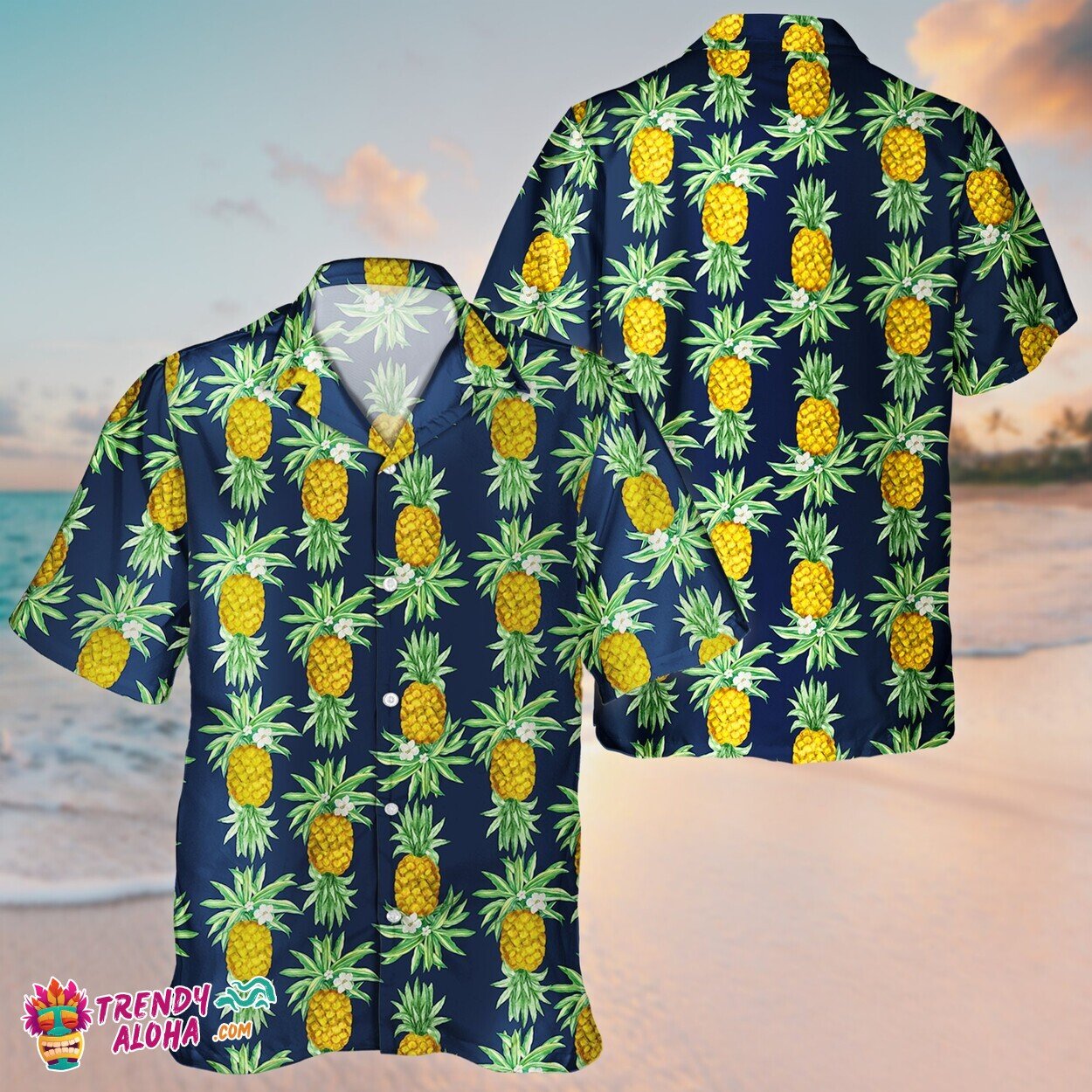
Hawaiian Shirt And Shorts
Pineapple Summer Love Aloha Hawaiian Unisex Shirt Short Sleeve Casual
Original price was: $67.00.$44.95Current price is: $44.95.
Sale!


Bachelorette Shirts
Rose Gold Tropical Palm Leaves Hawaiian Shirt, Bachelorette Party Outfit
Original price was: $50.85.$41.95Current price is: $41.95.
Sale!

Star Wars Hawaiian Shirts
Star Wars Grogu Baby Yoda Tropical Leaves Hawaiian Shirt
Original price was: $50.85.$41.95Current price is: $41.95.
Sale!
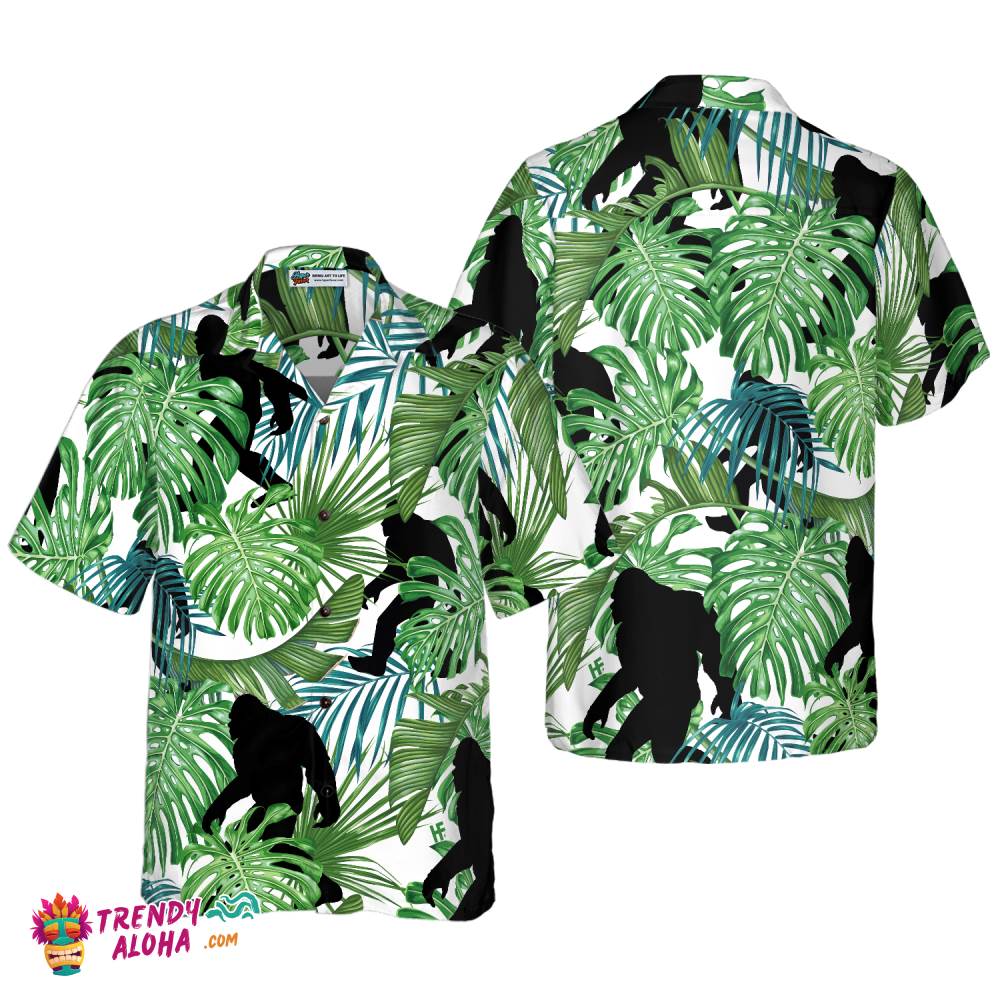
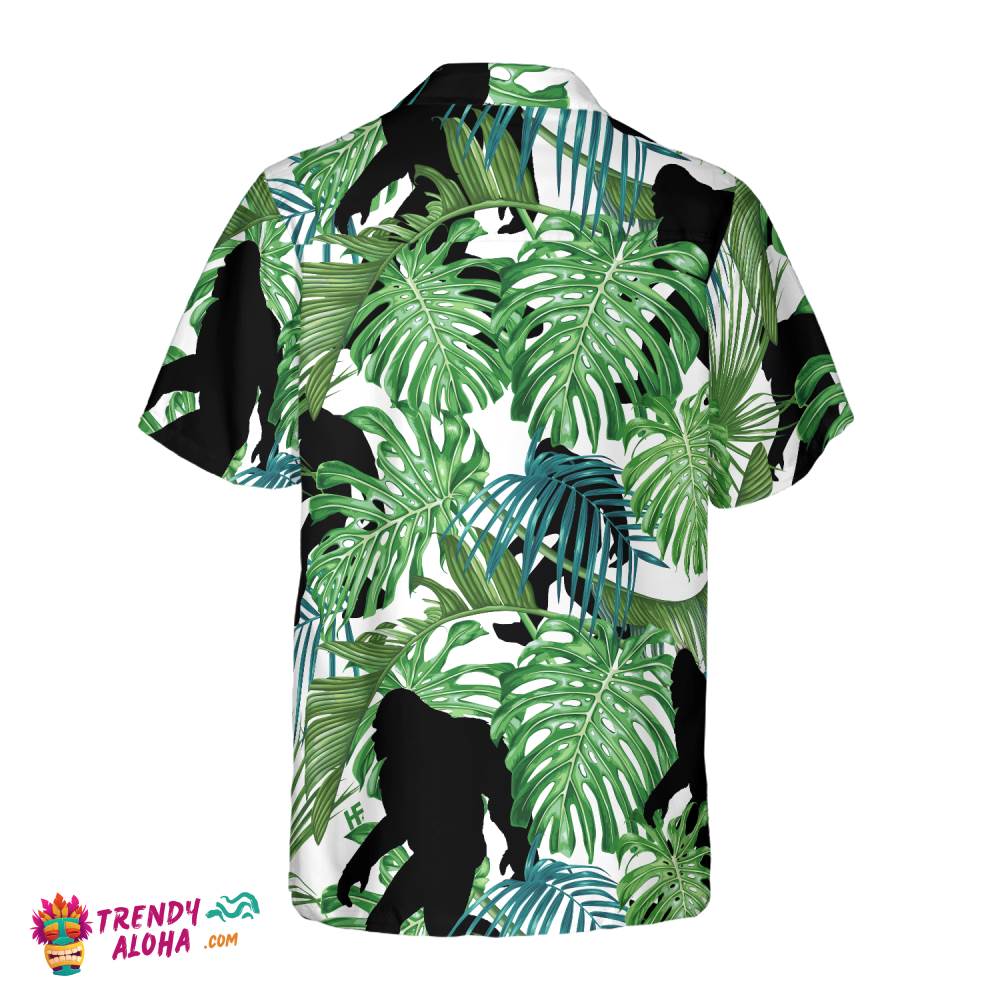
Sasquatch Hawaiian Shirt
Bigfoot Tropical Seamless Pattern Hawaiian Shirt
Original price was: $50.85.$41.95Current price is: $41.95.
Sale!
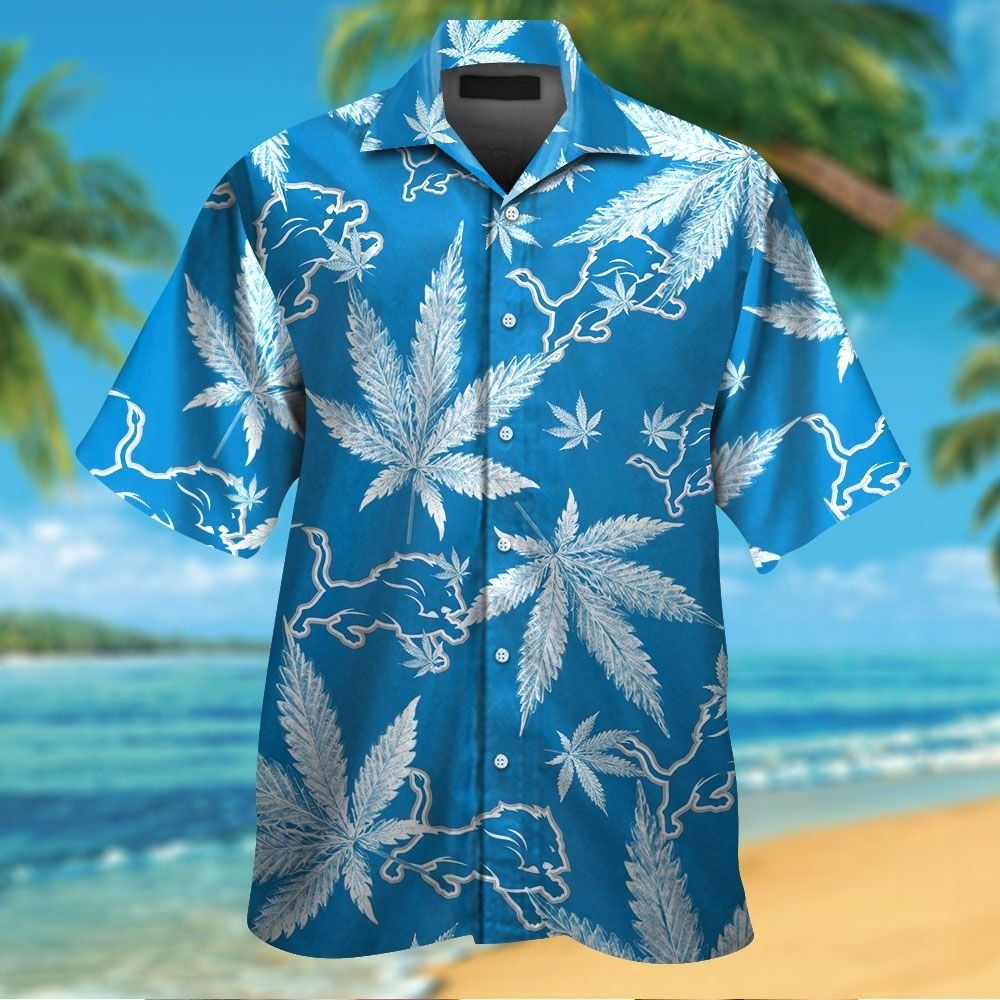
Short Sleeve Hawaiian Shirt
Detroit Lions Short Sleeve Button Up Tropical Hawaiian Shirt VER017
Original price was: $61.90.$43.95Current price is: $43.95.
Sale!

Flamingo Hawaiian Shirts
Flamingo Tropical Palm Leaves Summer Vacation Themed Trendy Hawaiian Shirt
Original price was: $58.85.$43.95Current price is: $43.95.